how much does metal fabrication cost in Dubai

New

July 29, 2026

What Metal Fabrication Actually Costs in Dubai

New

If you have searched for metal fabrication pricing in Dubai and come away with nothing useful, that is not an accident. Fabrication costs vary widely depending on material, process, complexity, volume, and lead time.
A vendor who quotes without understanding your scope is guessing. A buyer who expects a standard price list is going to be disappointed.

This guide breaks down how metal fabrication is priced in Dubai, what drives costs up or down, and what realistic budget ranges look like across the most common fabrication types in 2026. 

At a Glance

Why Metal Fabrication Pricing Is Not Straightforward

Metal fabrication is not a product. It is a service applied to a material to produce a specific outcome. The cost of that service depends on several variables that interact with each other.

Material cost is the starting point but rarely the largest cost component on complex fabricated parts. Labour, machine time, consumables, inspection, and surface treatment all stack on top of the base material price. On a simple cut-and-weld structural frame, material might represent 60% of the total cost. On a precision-machined pressure vessel component, it might represent 20%.

Lead time affects price directly. Emergency fabrication, same-day or next-day turnaround, carries a premium because it displaces other scheduled work, requires overtime labour, and often means sourcing material at short notice from non-standard channels. That premium is real and justified. A buyer who needs a part in 24 hours is paying for the capability to deliver in 24 hours, not just the part itself.

Volume affects unit cost significantly. A single fabricated bracket costs more per unit than fifty identical brackets because setup time, programming, and material handling are spread across more pieces in a batch run. For ongoing production requirements, discussing volume pricing with your fabrication partner from the outset saves money on both sides.

Want to understand why fabrication quotes vary so much? Explore our guide on Factors That Affect Metal Fabrication Cost in the UAE to learn how material selection, design complexity, fabrication processes, labour, coatings, and delivery timelines influence the final project cost.
 

Material Costs in 2026: What You Are Paying For

Steel prices in the UAE in 2026 are influenced by global market conditions, import logistics, and local demand from the construction and energy sectors. Here are the general material cost ranges that feed into fabrication pricing:

Mild steel plate and structural sections typically run between AED 3,500 and AED 5,500 per tonne, depending on grade, thickness, and market conditions at the time of purchase. Stainless steel grades like 304 and 316 run between AED 18,000 and AED 30,000 per tonne. Duplex and super duplex stainless steels used in oil and gas applications are priced higher, commonly between AED 35,000 and AED 60,000 per tonne, depending on the specific grade.

Aluminium plate and extrusions run between AED 12,000 and AED 22,000 per tonne for standard alloys. Specialist alloys for aerospace or marine applications carry premiums above that range.

These are material input costs. They do not include cutting waste, which adds 10% to 25% to the material consumed depending on the part geometry and nesting efficiency, or the cost of any surface treatment, heat treatment, or inspection applied after fabrication.

Structural Steel Fabrication Pricing

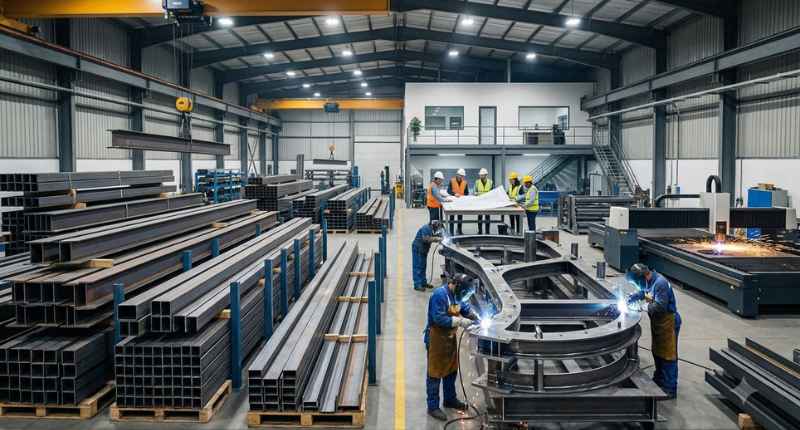
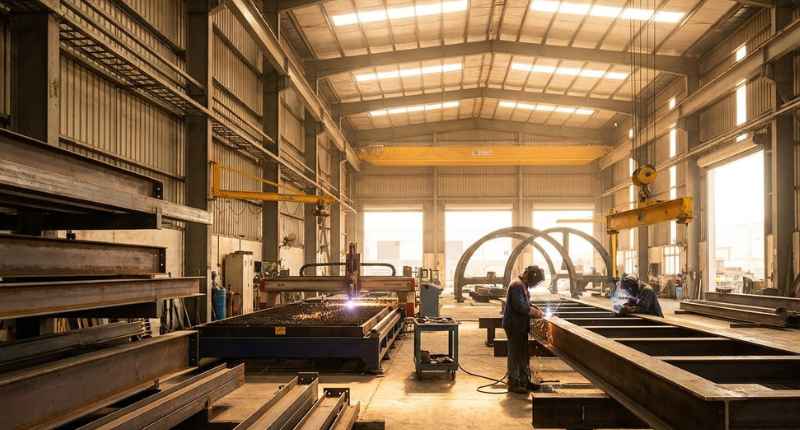
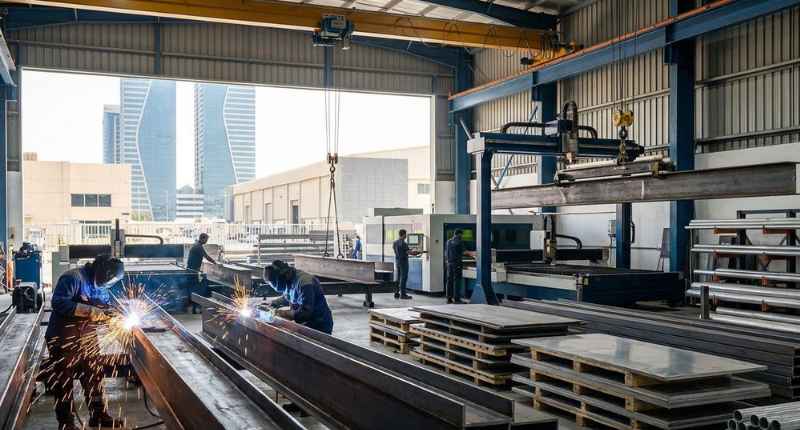
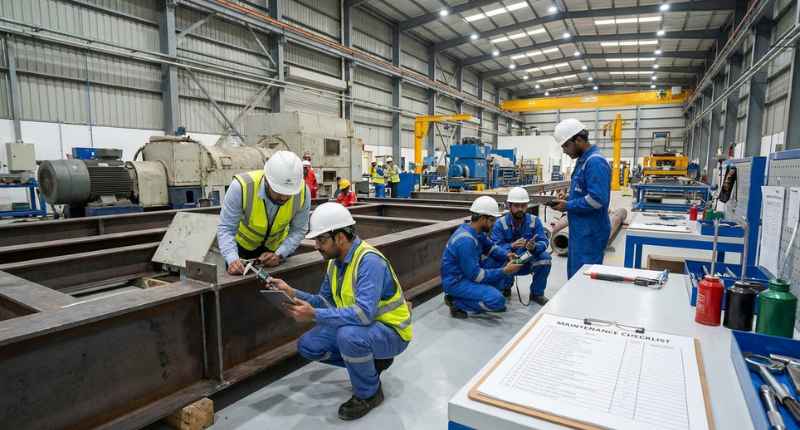
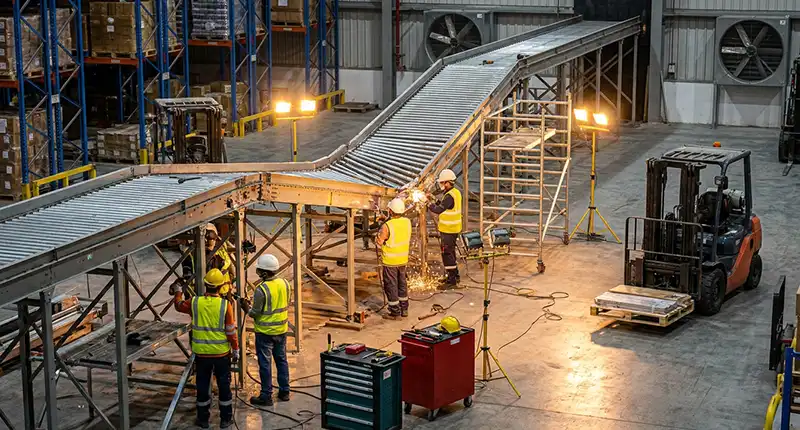
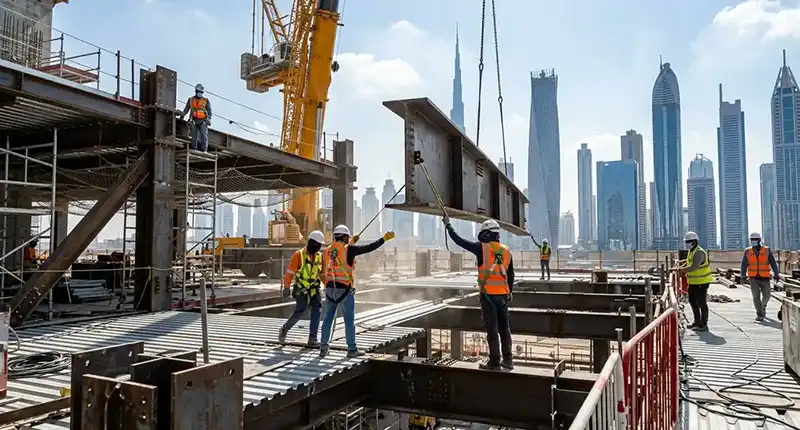
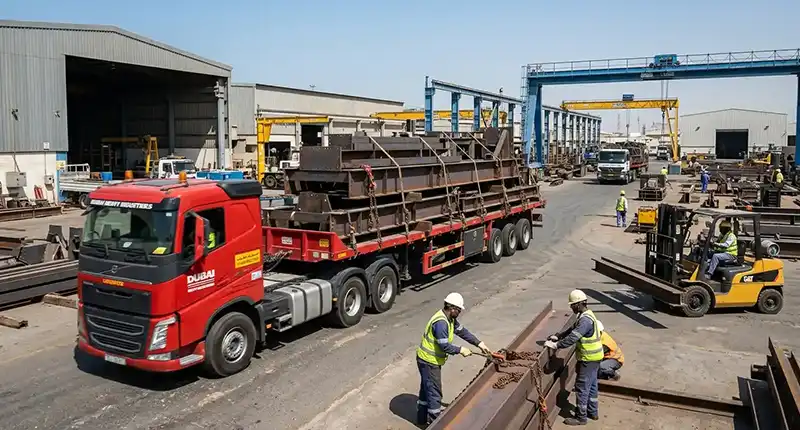
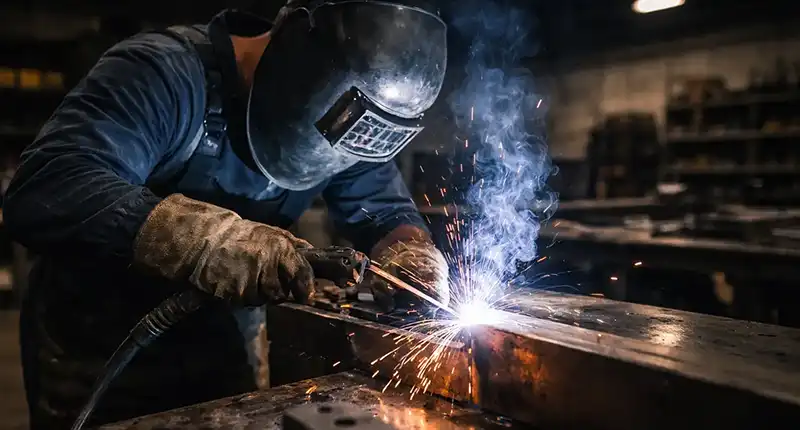
Structural steel fabrication covers frames, supports, platforms, stair towers, handrails, mezzanines, and general steelwork for industrial and commercial applications. This is the highest-volume category of fabrication work in Dubai and the UAE, and it is where pricing is most competitive.

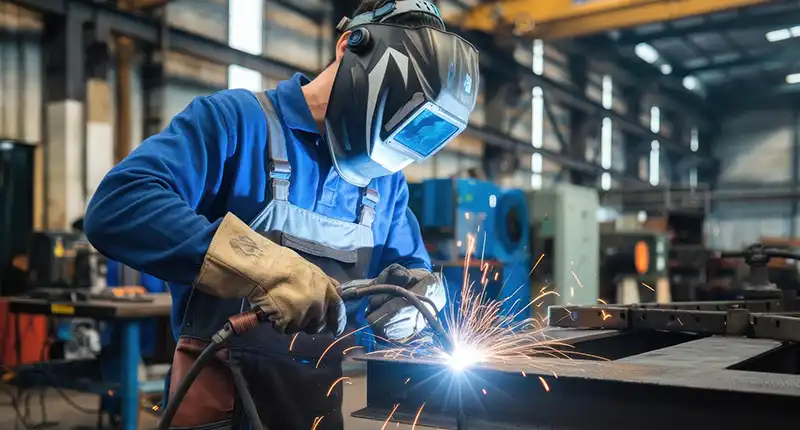
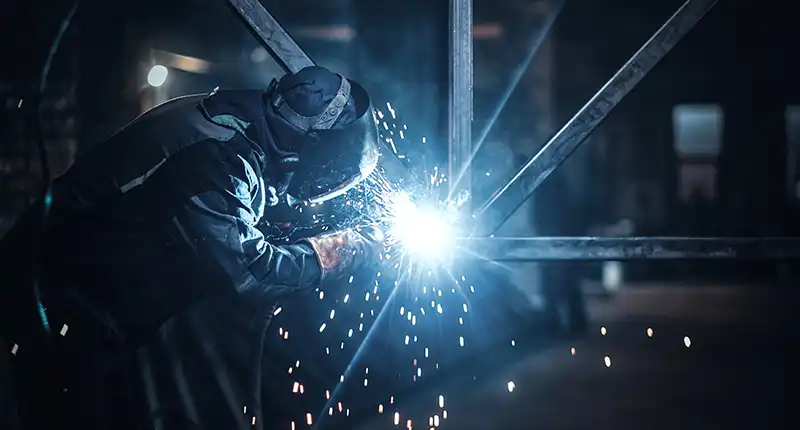
Simple structural fabrication in mild steel, covering basic cutting, fit-up, and welding with standard surface preparation and primer, typically runs between AED 8,000 and AED 14,000 per tonne of finished fabrication in 2026. This range covers standard structural sections with straightforward joint configurations and no special inspection requirements.

More complex structural work involving tight dimensional tolerances, higher weld quality standards, NDT inspection, or hot-dip galvanising instead of paint pushes the fabrication rate to between AED 14,000 and AED 22,000 per tonne. Work requiring third-party inspection, material traceability documentation, or compliance with specific structural codes such as AISC or BS 5950 sits at the higher end of this range or above it.

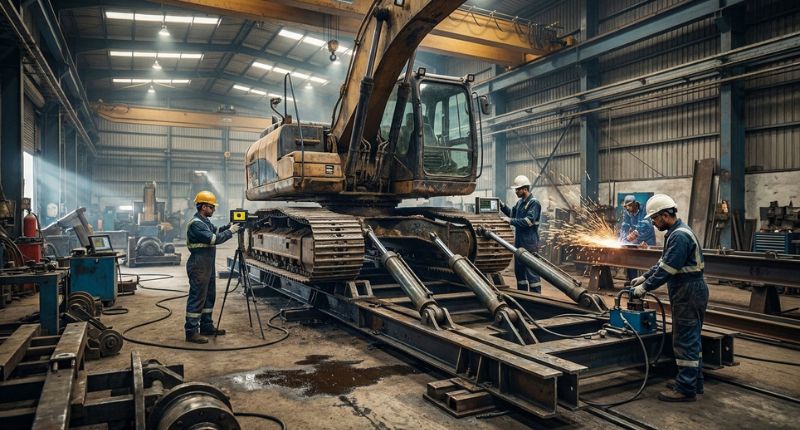
For marine and offshore structural fabrication in Dubai, where material grades, coating specifications, and inspection requirements are more demanding, rates commonly run between AED 20,000 and AED 35,000 per tonne of completed fabrication, depending on the scope and the applicable standard.

Pressure Vessel and Process Equipment Fabrication

Pressure vessel fabrication is priced differently from structural fabrication because the scope includes engineering documentation, code compliance, and third-party inspection that structural work does not always require.

A simple carbon steel pressure vessel fabricated to ASME Section VIII Division 1, including material, fabrication labour, post-weld heat treatment, hydrostatic testing, and the data package, typically costs between AED 45,000 and AED 120,000 depending on size, pressure rating, and nozzle configuration. This is a broad range because vessel size alone spans an enormous range of scope, from a small separator vessel to a large storage or processing vessel.

Stainless steel pressure vessels carry a significant material premium on top of the structural fabrication cost. A 316 stainless vessel of the same geometry as a carbon steel equivalent will typically cost 2.5 to 3.5 times more due to the material cost difference and the additional care required during fabrication to avoid contamination and maintain corrosion resistance.

Coded pressure vessel work requires an ASME U-Stamp-certified fabricator. Not every fabrication shop in Dubai holds this certification. Working with a non-certified shop on pressure vessel work creates compliance problems that are expensive to resolve after fabrication is complete.

CNC Machining Pricing in Dubai

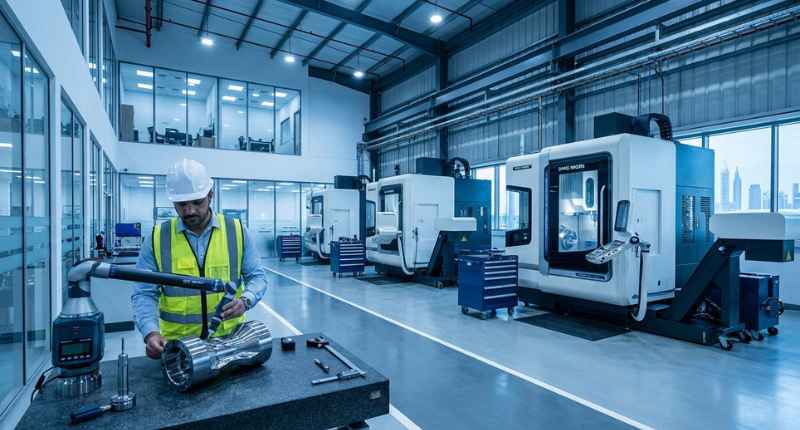
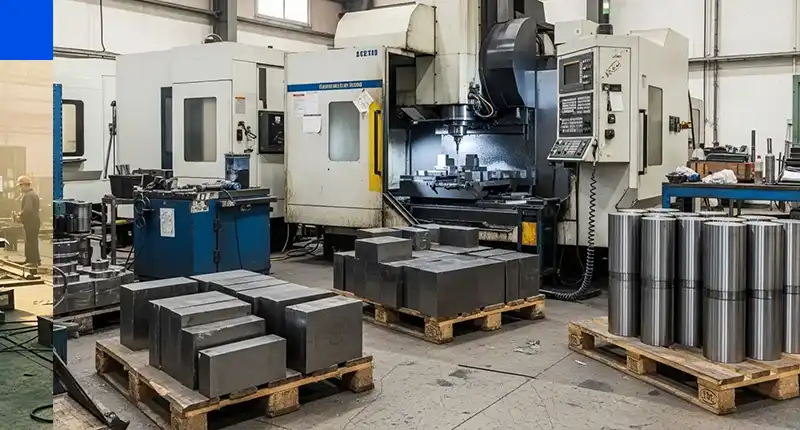
CNC machining is priced by machine hour, with different rates for different machine types and complexity levels. Understanding the hourly rate structure helps buyers evaluate quotes accurately.

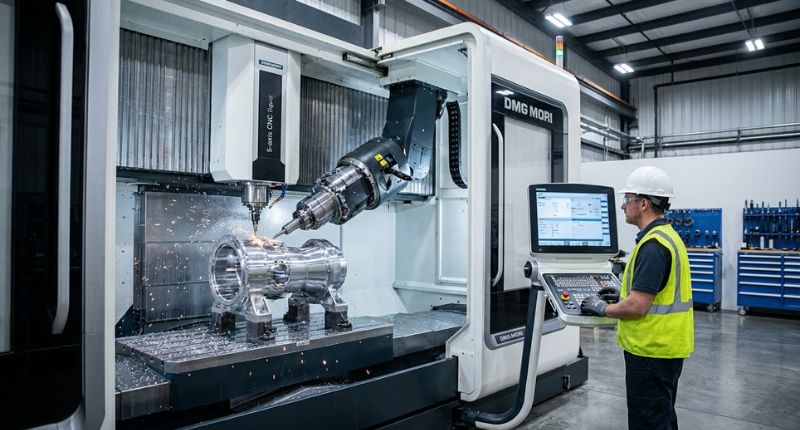
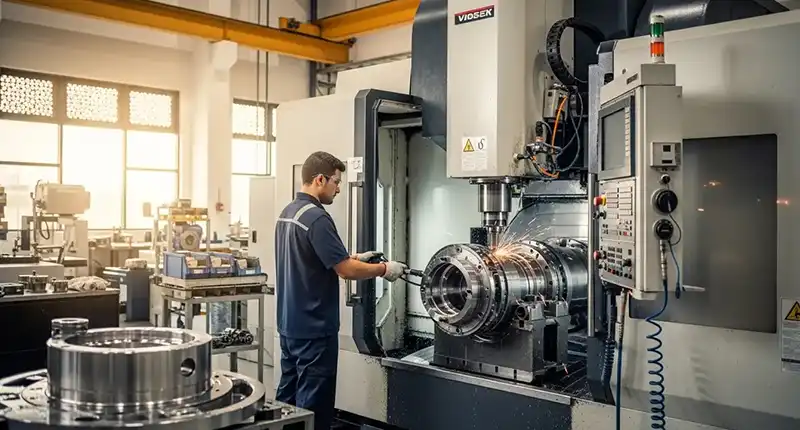
CNC turning on a standard lathe for general industrial work runs between AED 180 and AED 350 per hour in Dubai in 2026. CNC milling on a 3-axis machining centre runs between AED 220 and AED 400 per hour. 5-axis machining, where available, runs between AED 400 and AED 700 per hour, reflecting the higher machine cost and the more experienced programming and operation it requires.

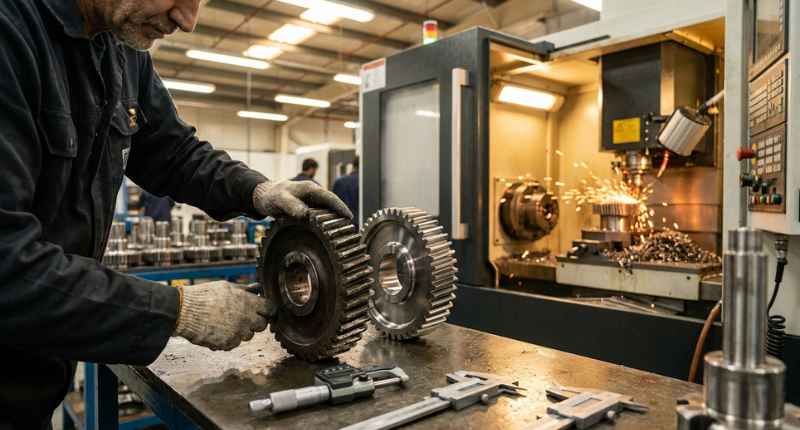
For a simple replacement shaft produced from bar stock in medium carbon steel, total cost including material, turning, keyway milling, and inspection typically runs between AED 800 and AED 3,500 depending on size and complexity. For a complex machined component requiring multiple setups, tight tolerances, and heat treatment, costs of AED 5,000 to AED 20,000 are not unusual for a single part.

Emergency machining carries a premium of 30% to 60% above standard rates in most Dubai workshops, reflecting overtime labour, disrupted scheduling, and expedited material sourcing. This premium is the cost of speed, not a margin on top of standard work.

Pipe Fabrication and Spool Pricing

Pipe spool fabrication for process plants, oil and gas facilities, and industrial installations is priced by inch-diameter-weld, a unit that accounts for both pipe size and the number of welds in a spool. This method allows consistent pricing across different spool configurations.

Standard carbon steel pipe spool fabrication to ASME B31.3 in Dubai runs between AED 150 and AED 350 per inch-diameter-weld for standard wall thicknesses and joint configurations. A 6-inch pipe spool with 10 welds, therefore, represents between 60 and 350 inch-diameter welds depending on the counting method used, and the total fabrication cost is calculated from there.

Stainless steel pipe spool fabrication runs at a 40% to 80% premium over carbon steel rates for equivalent configurations, driven by material cost, the need for stainless-compatible tooling and consumables, and the cleaning and inspection requirements specific to stainless piping systems.

High-alloy piping in duplex stainless, Inconel, or other exotic materials carries further premiums and should be priced on a job-specific basis rather than against standard carbon steel benchmarks.

Laser Cutting and Waterjet Pricing

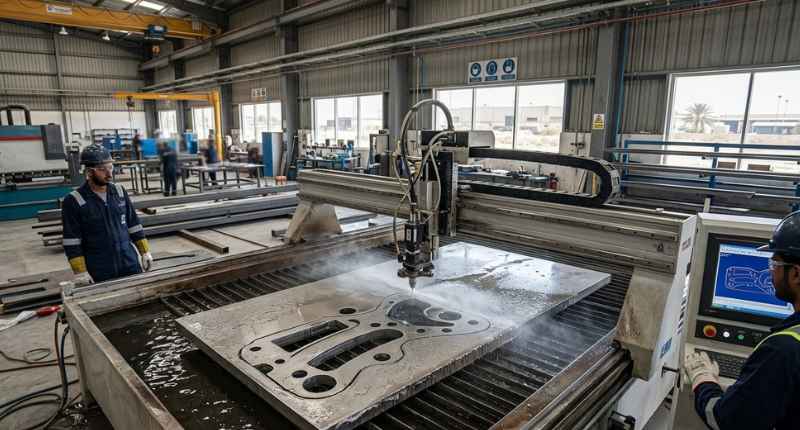
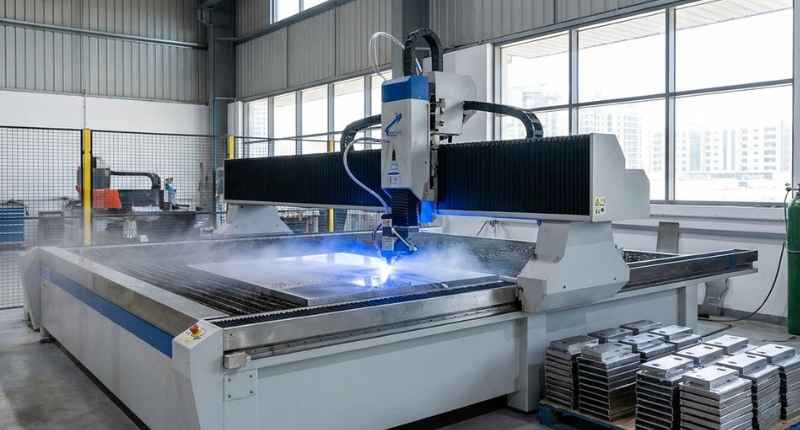
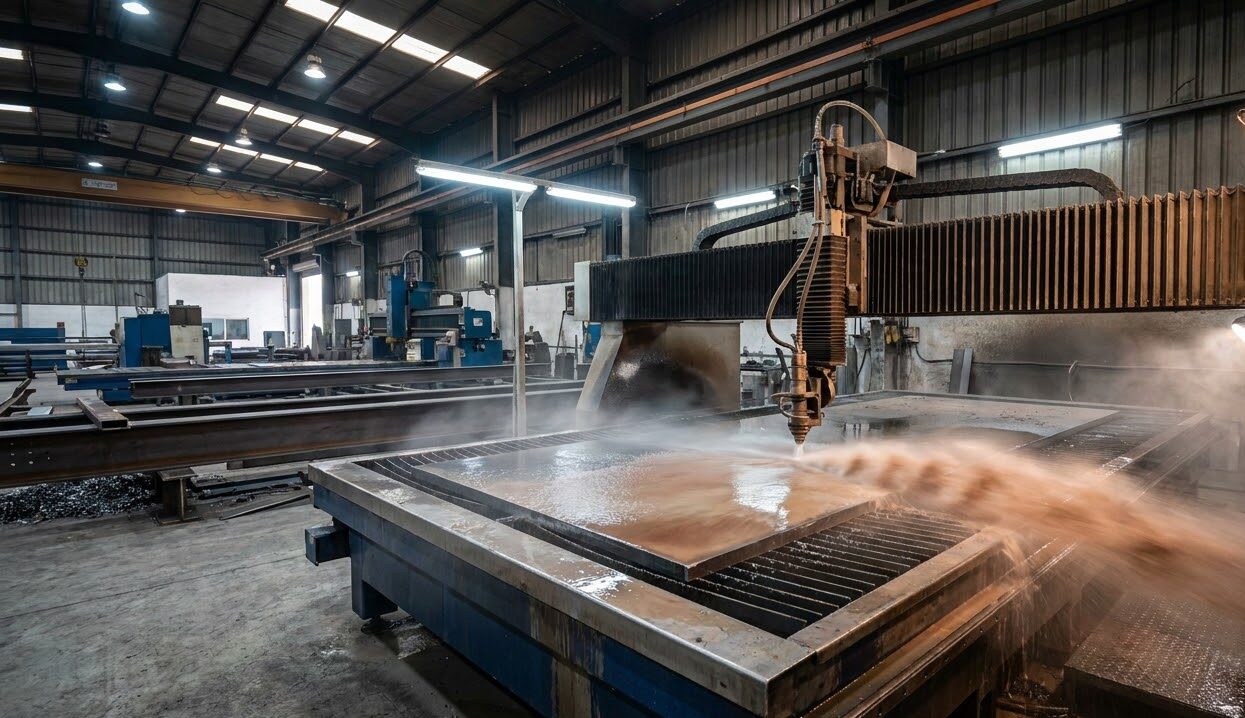
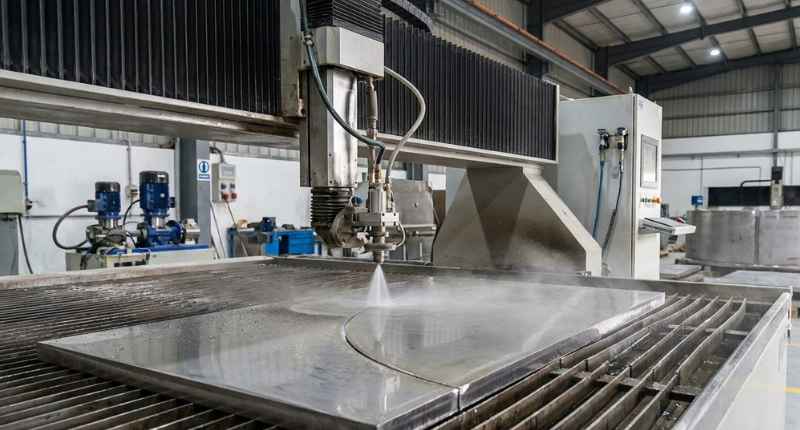
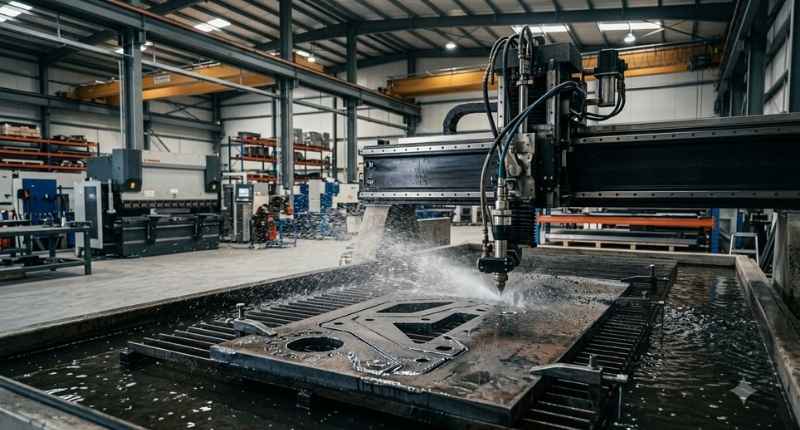
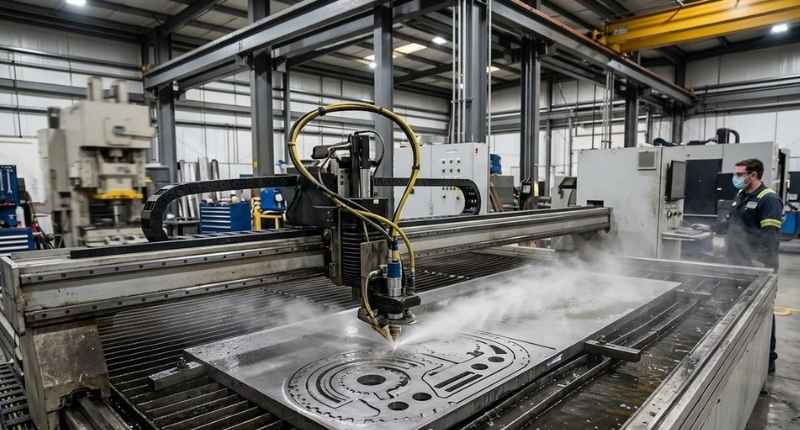
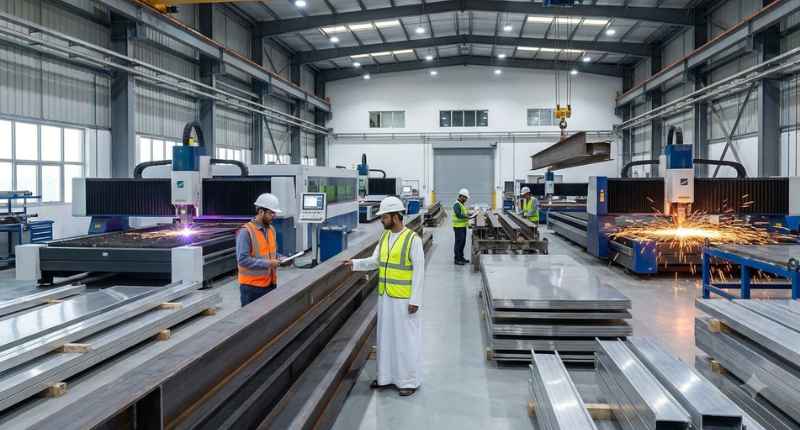
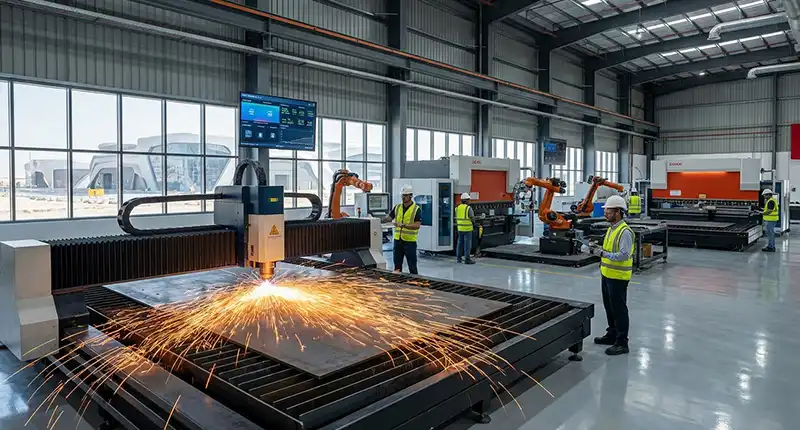
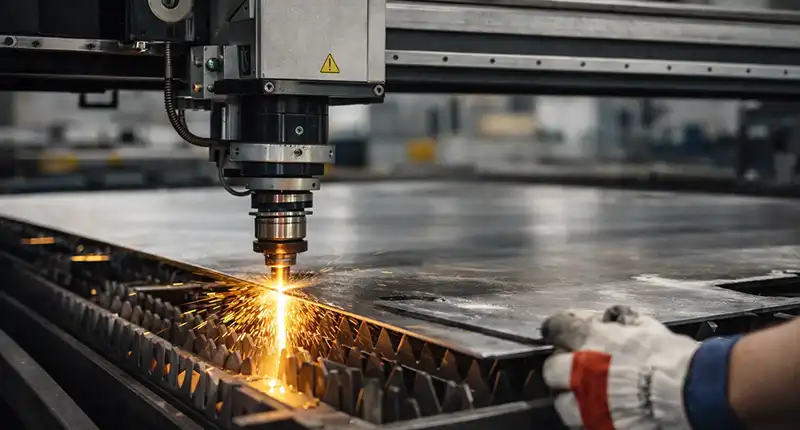
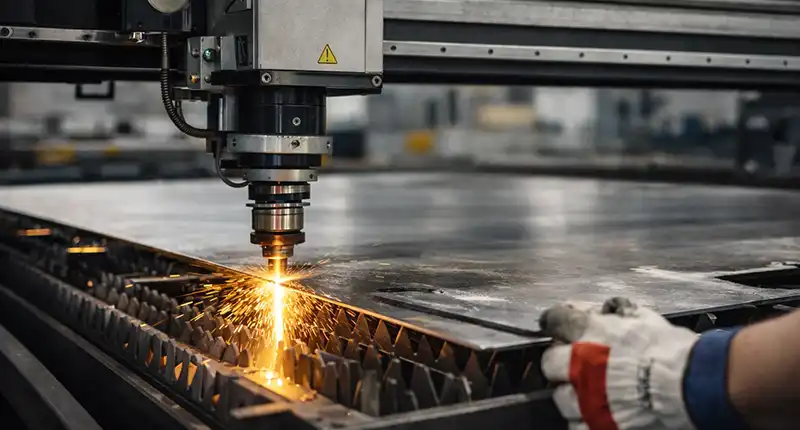
Laser cutting and waterjet cutting in Dubai are typically priced by cutting length, cutting area, or machine hour, depending on the shop’s pricing model and the complexity of the profiles being cut.

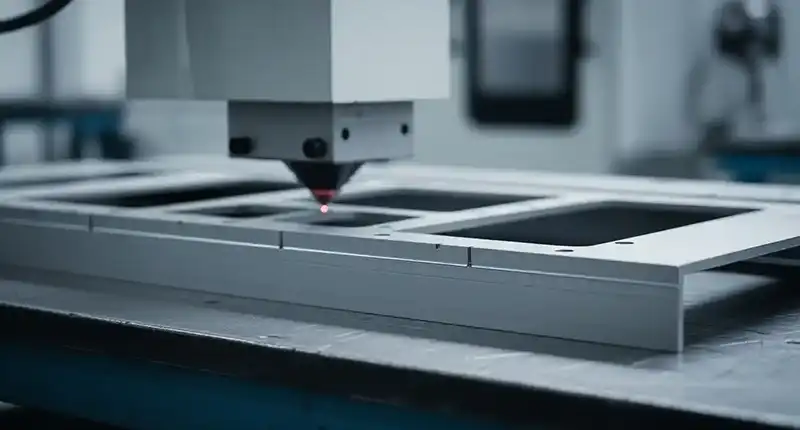
Laser cutting of mild steel sheet up to 12mm thickness runs between AED 15 and AED 45 per metre of cut length for standard profiles, with thicker material and tighter tolerances pushing rates toward the higher end. Setup charges for small batch or single-piece orders typically add AED 150 to AED 400 per job regardless of cut length.

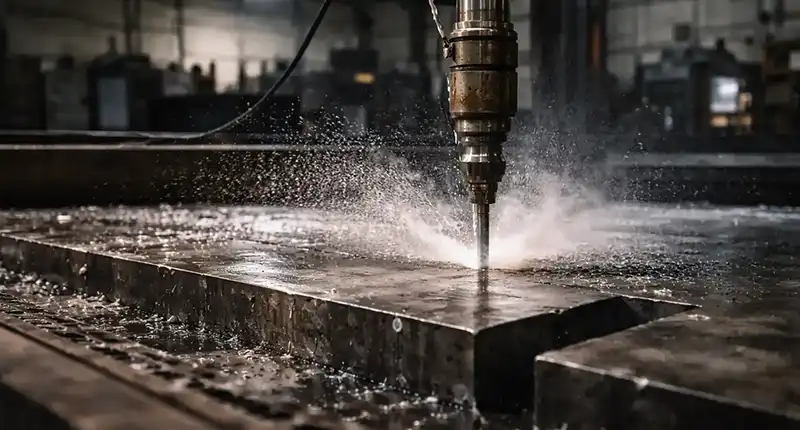
Waterjet cutting runs between AED 25 and AED 80 per metre of cut length for steel and aluminium, with harder materials and thicker sections at the higher end. Waterjet setup costs are similar to laser, with a per-job setup charge on top of the cut length rate.

For high-volume plate profiling work, negotiating on a per-tonne basis rather than per-metre of cut often produces better pricing outcomes for the buyer, particularly where the profiles nest efficiently on standard sheet sizes.

What Drives Metal Fabrication Costs Up in Dubai

Knowing the cost drivers gives buyers practical tools for managing budgets without compromising on what matters.

Material grade: Moving from mild steel to stainless steel multiplies material cost by four to six times. If stainless is specified for corrosion reasons, that cost is justified. If it is specified from habit or without engineering review, switching to a coated carbon steel alternative can recover significant budget.

Tolerance requirements: Tighter tolerances mean slower cutting speeds, more setups, and more inspection time. Every tolerance on a drawing that is tighter than the application actually requires adds cost. Engineering review of tolerances before fabrication is a straightforward way to reduce machining cost on complex parts.

Inspection and documentation: NDT, third-party inspection, and extensive quality documentation add cost but are non-negotiable on safety-critical or code-compliant work. On general structural fabrication where these requirements are not mandated, removing them from the scope reduces cost without reducing structural performance.

Surface treatment: Standard primer and topcoat add 8% to 15% to fabrication cost on structural steel. Hot-dip galvanising adds 15% to 25%. Specialist marine or offshore coating systems add 25% to 50%, depending on the system specified. Surface treatment specifications should match the service environment, not exceed it.

Lead time: As noted earlier, emergency and short lead time work carries a real premium. Where project schedules allow, giving fabricators adequate lead time is one of the most effective cost control tools available to buyers.

How to Get Accurate Quotes from Dubai Fabricators

The quality of a fabrication quote reflects the quality of the information it was built from. Vague enquiries produce vague quotes with large contingency margins built in. Detailed enquiries produce tighter quotes that are easier to evaluate and compare.

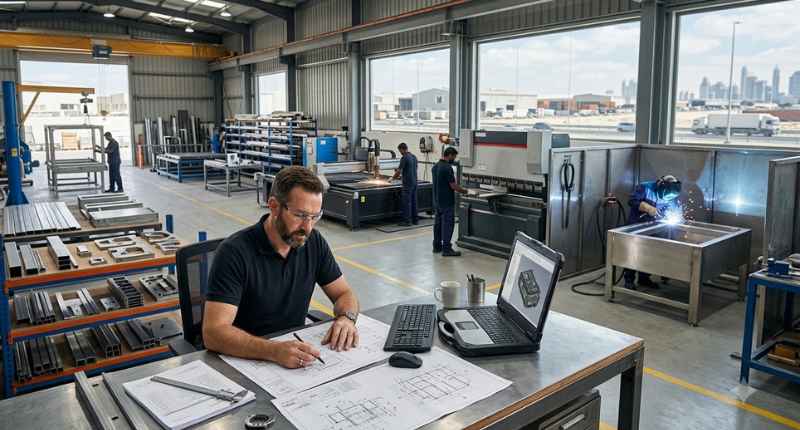
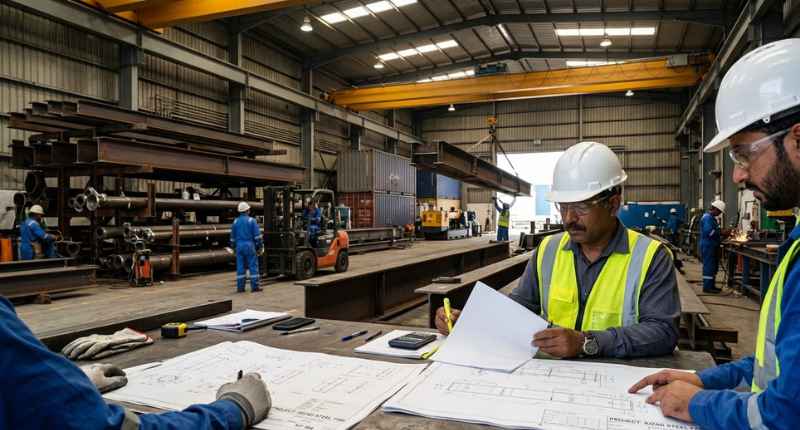
A good fabrication enquiry includes complete drawings or sketch dimensions with tolerances, material specification by grade rather than generic description, the applicable code or standard if any, the required surface treatment, the inspection and documentation requirements, the required delivery date, and the quantity. Providing this information upfront removes the assumptions that inflate quotes and make comparison between vendors difficult.

When comparing quotes, look beyond the total price. Check what is included in each quote on inspection, documentation, and surface treatment. A quote that appears lower but excludes third-party inspection or primer coating is not cheaper once those items are added back.

Conclusion

Metal fabrication pricing in Dubai in 2026 is driven by material grade, process complexity, tolerance requirements, inspection standards, surface treatment, and lead time. 

Understanding the cost drivers behind the metal fabrication price guide UAE buyers use to evaluate suppliers gives procurement teams a stronger negotiating position, a clearer basis for scope definition, and a more accurate budget from the outset of a project.


Work With Brightsun Industries


Brightsun Industries provides structural fabrication, CNC machining, pipe fabrication, and precision metal fabrication services across Dubai and the UAE with ISO 9001:2015 certification and experience across oil and gas, marine, construction, and industrial sectors. 

Contact Brightsun Industries for a detailed quote based on your specific scope, material requirements, and delivery timeline. Contact form

Frequently Asked Questions

Q1: How much does metal fabrication cost in Dubai for structural steel work?
Standard structural mild steel fabrication in Dubai runs between AED 8,000 and AED 14,000 per tonne for simple work, rising to AED 20,000 to AED 35,000 per tonne for offshore or coded structural fabrication with NDT and documentation requirements.

Q2: What is the metal fabrication price guide UAE buyers use to compare vendors?
Experienced UAE buyers compare fabrication quotes on a per-tonne basis for structural work, per inch-diameter-weld for pipe spools, and per machine hour for CNC machining, with separate line items for inspection, surface treatment, and documentation.

Q3: Why does emergency fabrication cost more than standard lead-time work?
Emergency fabrication displaces scheduled work, requires overtime labour, and often involves sourcing material at short notice, which adds a genuine cost premium of 30% to 60% above standard rates rather than simply a margin increase.

Q4: How does material grade affect metal fabrication cost in Dubai?
Switching from mild steel to stainless steel multiplies material cost by four to six times, and moving to duplex or super duplex stainless for oil and gas applications adds further cost, making material grade selection one of the highest-impact cost decisions in fabrication.

Q5: What is a fair CNC machining rate in Dubai in 2026?
CNC turning runs between AED 180 and AED 350 per hour, 3-axis milling between AED 220 and AED 400 per hour, and 5-axis machining between AED 400 and AED 700 per hour for standard industrial work in Dubai workshops.

Q6: How should I structure a fabrication enquiry to get an accurate quote?
Include complete drawings with tolerances, material grade, applicable code or standard, surface treatment specification, inspection and documentation requirements, delivery date, and quantity to remove the assumptions that inflate quotes and make vendor comparison difficult.

Q7: Does third-party inspection add high cost to fabrication work in Dubai?
Third-party inspection adds cost through inspector fees and the additional documentation it requires, but on safety-critical or code-compliant work, this cost is non-negotiable and should be budgeted from the outset rather than treated as optional.

Q8: What surface treatment options are available for fabricated steel in Dubai, and what do they cost?
Standard primer and topcoat add 8% to 15% to fabrication cost, hot-dip galvanising adds 15% to 25%, and specialist marine or offshore coating systems add 25% to 50% depending on the system and the surface preparation standard required.

Q9: How does volume affect metal fabrication pricing in Dubai?
Batch production spreads setup, programming, and material handling costs across more units, reducing the per-unit cost significantly compared to single-piece or small-batch orders where these fixed costs are recovered from fewer parts.

Q10: When does stainless steel fabrication make financial sense versus coated carbon steel?
Stainless steel fabrication is justified when the service environment demands corrosion resistance that coating systems cannot reliably maintain over the asset’s design life, such as in chemical processing, food production, or submerged marine applications.