- +971 43807099
- +971 563244963
- brisunco@emirates.net.ae

- Meet Us
Shed No. 10,
Fresh Express Warehouse, Road B1, DIP 1,
Dubai, UAE.
Shed No. 10,
Fresh Express Warehouse, Road B1, DIP 1,
Dubai, UAE.

New
New
Imagine the situation: A crane operator lifts a 3-ton steel beam using unmarked clamps. Midway through the lift, one clamp fails. The beam crashes down, damaging equipment and halting the construction site for days. A complete disaster!
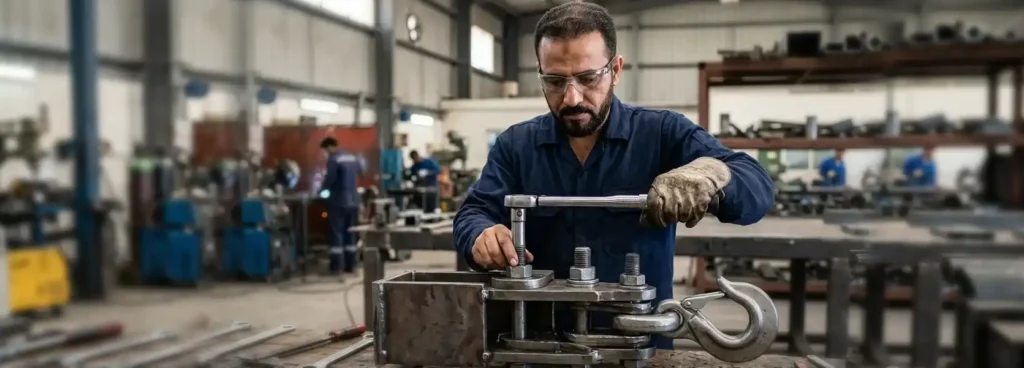
Proper custom lifting clamps in Dubai prevent these catastrophic failures through correct specifications, load ratings, and safety certifications that protect workers and projects.
At a Glance
Load ratings determine the maximum weight custom lifting clamps can safely handle. This specification appears as Safe Working Load or SWL marked permanently on each clamp. Never exceed this rating under any circumstances.
Working Load Limit differs from breaking strength. Most clamps break at four to six times their rated capacity. The safety factor accounts for dynamic loads, wear, and unexpected stress. Always select clamps rated well above your typical lifting requirements.
Consider load distribution across multiple clamps. Four clamps do not always share weight equally. Uneven rigging causes some clamps to carry more load than others. Calculate based on worst-case scenarios where fewer clamps bear the full weight.
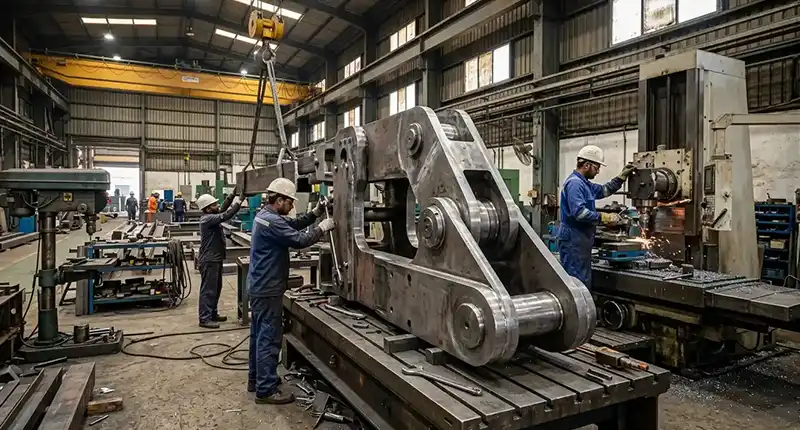
Material composition directly affects clamp strength and durability. High-grade steel provides superior tensile strength and impact resistance.
Carbon steel offers good strength at a reasonable cost for general applications. Alloy steels provide enhanced properties for demanding conditions. Stainless steel resists corrosion in marine and chemical environments.
Fabrication companies in Dubai should provide material certificates proving the grade and composition.
Dubai Municipality and UAE federal regulations mandate safety standards for lifting equipment. Clamps must comply with international standards like ASME B30.20 or EN 13155. These standards specify design, testing, and marking requirements.
Third-party testing validates clamp performance. Independent labs conduct proof load tests at 125 to 150 percent of rated capacity. Clamps must hold this load without permanent deformation. Test certificates should accompany each batch.
Periodic inspection requirements apply after purchase. Annual inspections by qualified personnel ensure continued safe operation

Jaw design affects grip security on different shapes. Some clamps suit flat plates while others handle round pipes or I-beams. Serrated jaws provide better grip than smooth surfaces. Verify the design matches your typical load profiles.
Locking mechanisms prevent accidental release during lifts. Spring-loaded locks engage automatically when clamps close. Manual locks require operator action but offer positive engagement. Choose mechanisms suited to your operational procedures.
Swivel features allow clamps to rotate under load. This accommodates off-angle lifts and reduces side loading. Fixed clamps work for vertical lifts only. Consider lift geometry when specifying swivel capabilities.
Custom lifting clamps in Dubai offer modifications for specific applications. Extended jaw openings accommodate thicker materials. Longer reach handles access recessed attachment points. Reinforced construction handles impact loads.
Detail all customization needs clearly in specifications. Specialized shapes suit unique load geometries. Curved jaws grip cylindrical tanks. Angled designs reach into corners. Custom fabrication companies in Dubai manufacture these variations based on client requirements.
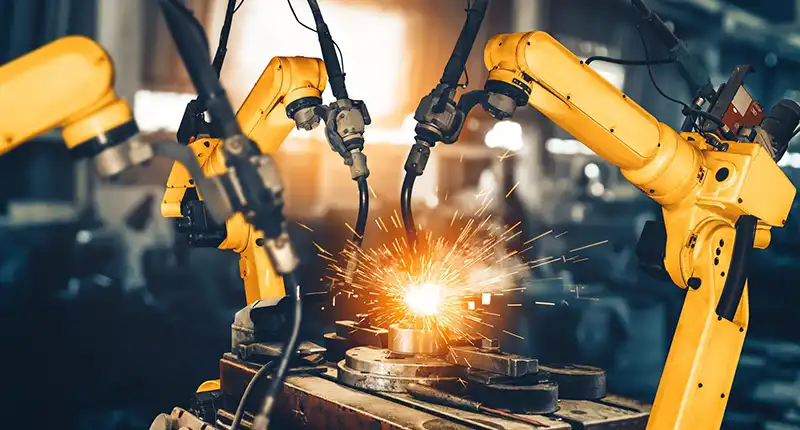
Construction sites need clamps for structural steel, concrete panels, and equipment. These applications involve outdoor exposure and rough handling. Robust construction and corrosion protection become priorities.
Shipyards handle marine environments with salt exposure and humidity. Stainless steel or protective coatings prevent rust. Clamps must grip hull plates, pipes, and machinery components in confined spaces.
Manufacturing facilities lift finished products and work-in-progress items. Protective jaw pads prevent surface damage on painted or polished parts. Adjustable pressure suits delicate assemblies alongside heavy castings.
Physical inspection reveals manufacturing quality. Welds should appear uniform with complete penetration. Grinding and finishing indicate attention to detail. Rough fabrication suggests potential weak points.
Check dimensional accuracy against specifications. Jaw opening, reach, and overall dimensions must match the ordered values. Measure critical features with calipers or tape measures. Variations may affect compatibility with your loads.
Verify load markings are permanent and legible. Stamped or cast markings outlast painted labels. Information should include SWL, manufacturer identification, and serial numbers. Clear marking supports traceability and inspection records.
Established lifting equipment suppliers in Dubai maintain quality standards and provide proper documentation. They understand regulatory requirements and safety implications.
Request references from past clients in your industry. Reliable suppliers stand behind their products with warranties and support.
Compare multiple quotes, but avoid selecting purely on the lowest price. Substandard clamps risk worker safety and project delays.
Material certificates prove steel grade and mechanical properties. These documents trace material from the mill through fabrication. Retain certificates for equipment records and regulatory inspections.
Test reports confirm load testing and proof loading results. Reports should identify the testing facility, procedures used, and pass/fail criteria. Independent lab reports carry more weight than manufacturer self-certification.
Operating instructions specify proper use, inspection intervals, and maintenance requirements. These documents support training programs and safe work procedures. Keep copies accessible to equipment operators.
Regular cleaning removes dirt and debris that cause wear. Inspect moving parts for smooth operation. Lubricate pivot points and locking mechanisms per manufacturer recommendations.
Watch for visible damage, including cracks, deformation, or excessive wear. Any of these conditions requires immediate removal from service. Professional inspection determines if repair is possible or replacement is necessary.
Storage conditions affect longevity. Keep clamps in dry locations away from corrosive chemicals. Organize storage to prevent impact damage.
Quality custom lifting clamps cost more initially but deliver better long-term value. Longer service life, lower failure rates, and reduced inspection costs offset higher purchase prices. Safety benefits alone justify premium products.
Emergency purchases cost significantly more than planned procurement. Stock adequate quantities of common sizes. Plan custom orders with sufficient lead time.
Work with fabrication companies in Dubai that demonstrate an understanding of safety standards and provide complete documentation. Quality suppliers guide proper selection and support safe operations.
BrightSun Industries manufactures custom lifting clamps in Dubai with load testing and permanent marking for safe usage.
Our clamps range from half-inch to 5-inch diameter with customization options including shackles and chains.
Contact us today to discuss your lifting equipment requirements with experienced industrial metal cutting Dubai specialists who prioritize safety and quality.
At a Glance
Related Blogs

Shed No. 10, Fresh Express Warehouse,
Road B1, Dubai Investments Park 1,
Dubai, UAE.
+971 43807099
+971 563244963
+971 503226480