- +971 43807099
- +971 563244963
- brisunco@emirates.net.ae

- Meet Us
Shed No. 10,
Fresh Express Warehouse, Road B1, DIP 1,
Dubai, UAE.
Shed No. 10,
Fresh Express Warehouse, Road B1, DIP 1,
Dubai, UAE.
New
New
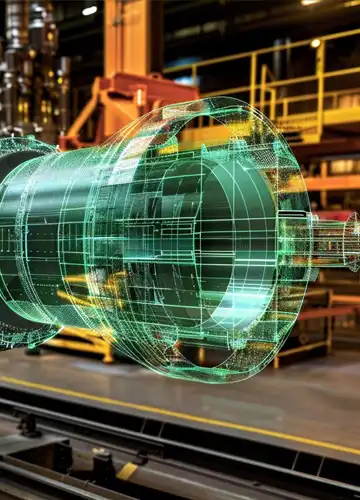
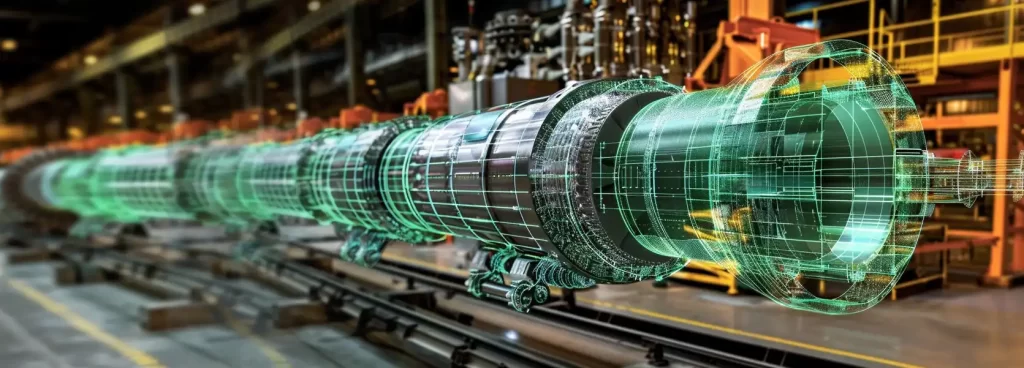
Screw conveyors are workhorses in industries like metal fabrication, construction, and agriculture. They move materials reliably with minimal fuss. But picking the wrong type can cost you time and money.
Let’s look at the different screw conveyors available and how to choose the right one for your job site.
At a Glance
A screw conveyor uses a rotating spiral blade (auger) inside a tube or trough to move materials from one place to another. Turn it on, and materials flow steadily without needing constant attention.
Many industries in Abu Dhabi rely on these systems:
Best for: Moving materials across flat distances.
How it works: The screw turns horizontally in a trough, pushing materials from one end to the other. It’s the most common setup you’ll see on job sites.
Why contractors choose it:
Where you’ll use it:
Best for: Moving materials up moderate slopes.
How it works: Similar to the horizontal version but installed at an angle (usually 10-45 degrees) to lift materials to higher levels.
Why contractors choose it:
Where you’ll use it:
Best for: Lifting materials straight up where space is limited.
How it works: The screw runs vertically inside a tube, lifting materials upward with each rotation.
Why contractors choose it:
Where you’ll use it:
Best for: Sticky or wet materials that would jam regular conveyors.
How it works: Has a spiral without a center shaft, which prevents material from building up and causing blockages.
Why contractors choose it:
Where you’ll use it:
Best for: Dust-free transport of fine materials.
How it works: Fully enclosed design with the screw inside a tube rather than an open trough.
Why contractors choose it:
Where you’ll use it:
Best for: Moving materials around corners or obstacles.
How it works: Uses a flexible spiral inside a bendable tube, allowing it to curve around objects and transport materials in non-straight paths.
Why contractors choose it:
Where you’ll use it:

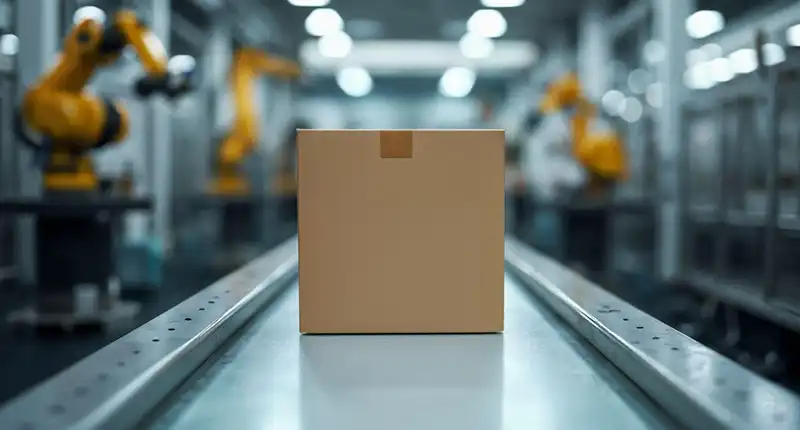
The right screw conveyor can make your job site more efficient and safer. It can reduce labor costs and speed up material handling. By matching the conveyor type to your specific needs, you’ll avoid common problems like frequent breakdowns, material waste, and project delays.
For metal fabrication shops and construction sites in Abu Dhabi, choosing the correct screw conveyor isn’t just about moving materials, it is about improving your whole operation.
1. What is the most common type of screw conveyor used on construction sites?
The horizontal screw conveyor is the most common. It’s affordable, easy to install, and works well with materials like sand, cement, and metal scrap.
2. When should I choose a shaftless screw conveyor?
Go for a shaftless model when dealing with sticky, wet, or clog-prone materials like clay or wet concrete. It helps prevent jams and reduces maintenance.
3. Can I use one conveyor for both horizontal and vertical movement?
Yes, inclined screw conveyors are ideal for this. They handle both directions while saving space and reducing the need for multiple systems.
4. How do I know which conveyor type suits my job site?
Consider your material type, volume, space limitations, and budget. Matching these to the right conveyor type ensures efficiency and cost-effectiveness.
5. Why is a tubular screw conveyor better for fine or dusty materials?
Tubular conveyors are fully enclosed, preventing dust leaks and keeping materials clean—making them ideal for cement, gypsum, and powder handling.
At a Glance
Related Blogs

Shed No. 10, Fresh Express Warehouse,
Road B1, Dubai Investments Park 1,
Dubai, UAE.
+971 43807099
+971 563244963
+971 503226480