- +971 43807099
- +971 563244963
- brisunco@emirates.net.ae

- Meet Us
Shed No. 10,
Fresh Express Warehouse, Road B1, DIP 1,
Dubai, UAE.
Shed No. 10,
Fresh Express Warehouse, Road B1, DIP 1,
Dubai, UAE.
New
New
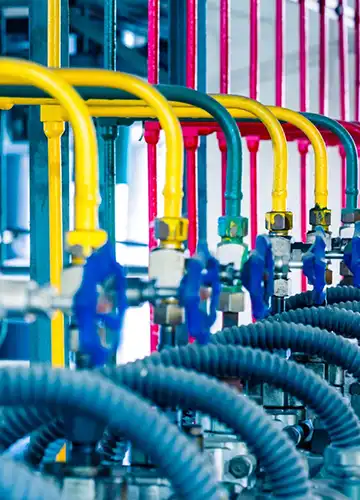
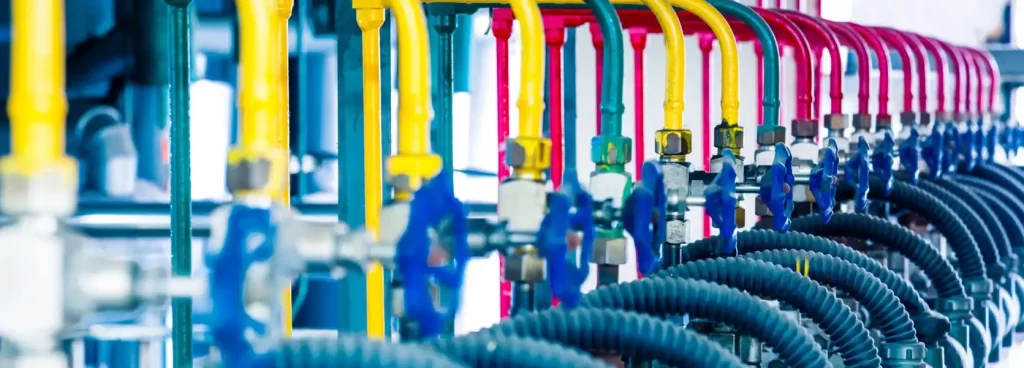
In the world of heavy industry, construction, and manufacturing, hydraulic systems are the vital muscular network powering our most critical equipment. From the arm of an excavator to the press in a factory, these systems rely on a flow of high-pressure fluid, contained and transported by a component that is often overlooked until it fails: the hydraulic hose.
A single failed hydraulic hose and fittings assembly can bring a multi-million dollar operation to a standstill, cause catastrophic safety incidents, and lead to costly environmental cleanups. However, most hose failures are not random events. They are the predictable result of specific, identifiable, and most importantly, preventable conditions.
Understanding the common causes of failure is the first step toward building a proactive maintenance culture. This article will break down the top 5 failures and provide actionable tips to improve the reliability and safety of your hydraulic hose and fittings.
At a Glance
This is arguably the most common cause of hydraulic hose failure. Abrasion occurs when the hose’s protective outer cover is worn away due to consistent rubbing against another hose, a metal edge, or another machine component. Once the cover is compromised, the internal wire reinforcement is exposed to moisture and the elements, leading to rust and rapid deterioration, which culminates in a burst.
Common Causes: Improper routing during installation, hoses vibrating against each other or the machine frame, and failure to use correct clamps and brackets.
Prevention Strategies:
Secure with Clamps: Use correctly sized and placed clamps and brackets to secure the hose, preventing it from shifting or vibrating against other surfaces.
Every hydraulic hose has a maximum rated operating temperature. When the fluid temperature exceeds this limit, the inner tube material, typically a synthetic rubber, begins to “cook.” It hardens and cracks from the inside out. On the outside, the hose cover may appear cracked and brittle, and the entire hose assembly will feel stiff. This internal damage severely compromises the hose’s ability to contain pressure.
Common Causes: Inadequate or malfunctioning system coolers, low hydraulic fluid levels, clogged filters that cause the system to work harder, and operating in extreme ambient heat, a significant factor in the Middle East.
Prevention Strategies:
Use Heat Shields: If a hose must be routed near a high-temperature source like an engine block or exhaust manifold, use protective heat shields or fire-resistant sleeves.
A hydraulic hose assembly is only as strong as its weakest point, which is often the connection between the hose and the fitting. A failure here is typically caused by an error during the assembly process or by using incompatible components.
Common Causes: Using a hose from one manufacturer with fittings from another (a dangerous practice known as “mixing and matching”), incorrect crimp diameter, insufficient insertion of the hose into the fitting before crimping, or under-tightening threaded connections.
Prevention Strategies:
Follow Torque Specifications: Use a torque wrench to tighten fittings to the manufacturer’s precise specifications to prevent leaks or damage to the threads.
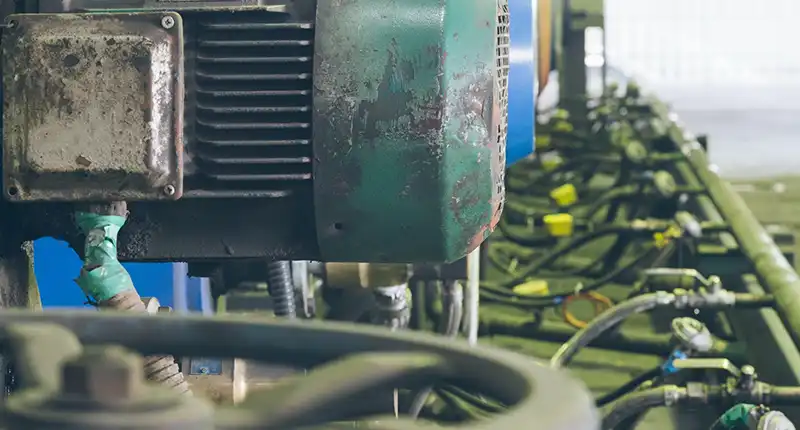
This is the silent killer of hydraulic systems. Microscopic particles of dirt, metal, and other debris suspended in the hydraulic fluid act like liquid sandpaper, continuously eroding the inner tube of the hose from the inside. This internal damage is invisible from the outside and often leads to unexpected, premature failure.
Common Causes: Using dirty new fluid, environmental dust entering the system during maintenance, wear particles from internal components, and failing to properly clean or flush a new hose assembly before installation.
Prevention Strategies:
Regular Fluid Analysis: Take periodic fluid samples for analysis to monitor for contamination and signs of component wear.
Every hose is designed with a specific minimum bend radius. Bending the hose tighter than this specified limit puts immense stress on the wire reinforcement layers, particularly at the outside of the bend. This can cause the hose to kink, restricting flow and leading to a pressure buildup and eventual rupture, often right behind the fitting.
Common Causes: Poor routing, using a hose that is too short for the required path, or forcing a hose into a confined space without considering its flexibility limits.
Prevention Strategies:
Ensure Proper Length: Use a hose that is long enough to make gentle curves without being stretched or sharply bent.
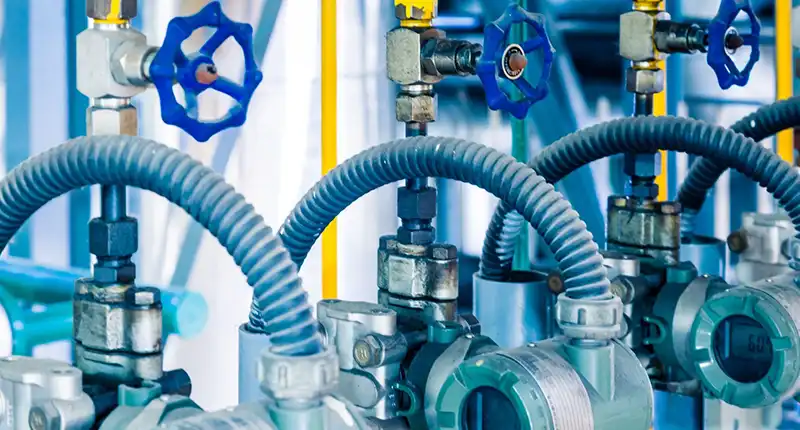
The vast majority of hydraulic hose failures are not inevitable accidents but preventable outcomes. By shifting from a reactive “fix it when it breaks” mindset to a proactive one focused on proper installation, regular inspection, and the use of correct, high-quality components, you can dramatically increase the safety and uptime of your critical equipment.
A reliable hydraulic hose and fittings assembly isn’t an expense; it’s an investment in productivity and operational safety.
Expertise in Fabrication, Insight into Operations
From heavy machinery repair to the creation of custom industrial systems, understanding the details is what ensures reliability. Our expertise in metal fabrication and system integration is built on a foundation of knowing how critical components like hydraulic hoses perform and fail.
If you need expert fabrication or repair services that account for the total health of your machinery, contact our team today.
Q: How often should I inspect my hydraulic hoses?
For critical applications or equipment operating in harsh environments, daily visual inspections are recommended. For less critical systems, weekly or monthly inspections may be sufficient. Always follow the equipment manufacturer’s specific maintenance guidelines.
Q: What does the S.T.A.M.P.E.D. method for hydraulic hose and fittings selection mean?
S.T.A.M.P.E.D. is an acronym used to ensure you select the correct hose for an application. It stands for Size, Temperature, Application, Media, Pressure, Ends (fittings), and Delivery.
Q: Do hydraulic hoses have an expiry date?
Yes. Most hydraulic hoses have a cure date printed on them. While there isn’t a fixed “expiry,” many manufacturers recommend replacing hose assemblies every 5-10 years, even if they appear to be in good condition, as the rubber compounds can degrade over time.
Q: Is it safe to reuse hydraulic fittings?
It is generally not recommended to reuse permanent, crimp-style fittings as they are designed for a single use. Reusing them can lead to unreliable connections and potential failure. Field-attachable (reusable) fittings are designed to be reused, but always inspect them for damage before reassembly.
At a Glance
Related Blogs

Shed No. 10, Fresh Express Warehouse,
Road B1, Dubai Investments Park 1,
Dubai, UAE.
+971 43807099
+971 563244963
+971 503226480