- +971 43807099
- +971 563244963
- brisunco@emirates.net.ae

- Meet Us
Shed No. 10,
Fresh Express Warehouse, Road B1, DIP 1,
Dubai, UAE.
Shed No. 10,
Fresh Express Warehouse, Road B1, DIP 1,
Dubai, UAE.
New
New
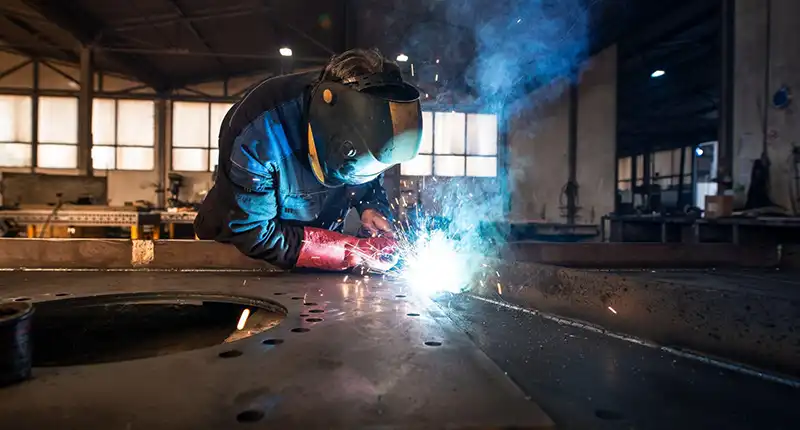
When we think of sustainable construction, images of green roofs, reclaimed wood, and natural materials often come to mind. The robust, industrial image of steel might not seem to fit. However, in modern construction, steel is a cornerstone of green building, and the role of the structural steel fabricator is more critical to sustainability than ever before.
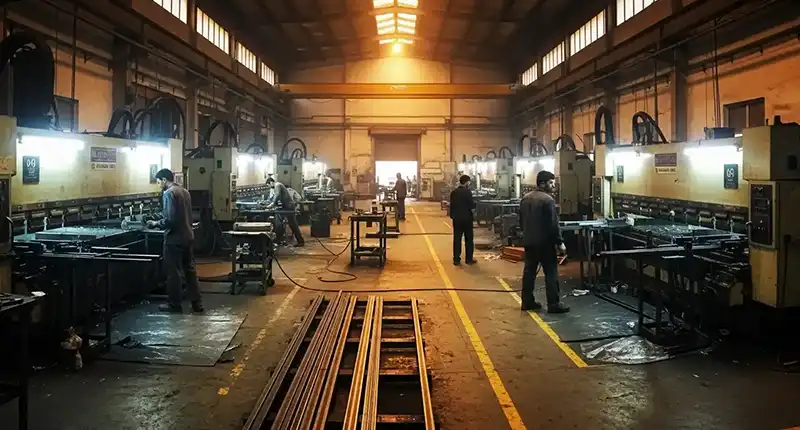
A fabricator’s contribution to a green project goes far beyond simply supplying a strong framework. Through precision, planning, and expertise, they actively enhance a building’s environmental credentials from the workshop floor to the end of its life. Understanding this role is key to unlocking the full sustainable potential of any steel-based structure.
At a Glance
The sustainability journey of structural steel begins with its core nature. Unlike many other building materials, steel is endlessly recyclable without any loss of its inherent strength or durability. Modern structural steel produced today has an incredibly high recycled content, primarily sourced from old buildings, cars, and appliances.
When a skilled structural steel fabricator sources high-quality steel, they are participating in a successful circular economy. They are utilizing a material that diverts massive amounts of waste from landfills and significantly reduces the need for virgin resources. This inherent recyclability makes steel a fundamentally sustainable choice.
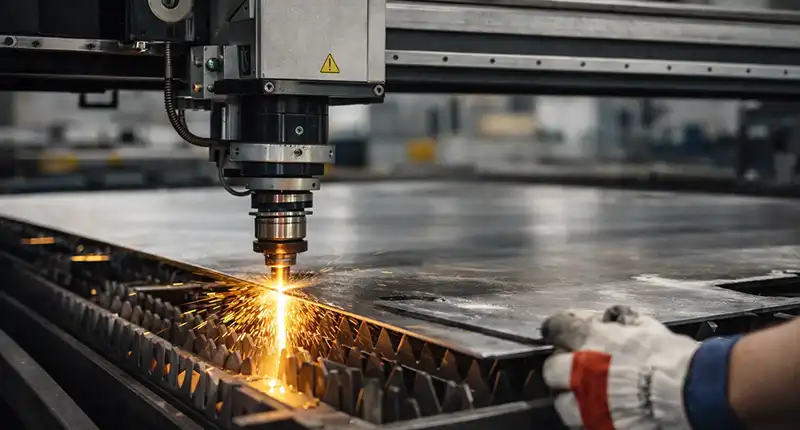
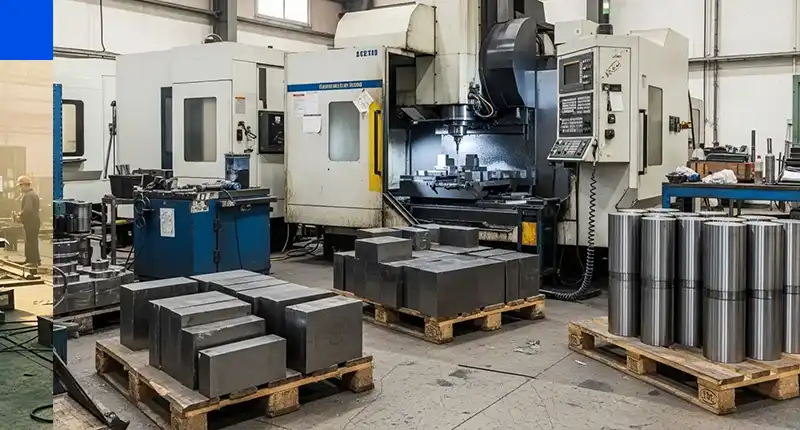
A key principle of sustainable construction is minimizing waste. This is an area where the fabricator’s process provides a distinct advantage. In a controlled workshop environment, fabricators use advanced software and computer-aided machinery to precisely map out and cut every single component from raw steel sections.
This meticulous planning ensures that material usage is maximized and scrap is minimized. The small amount of scrap that is generated is not sent to a landfill; it is collected and sent back to be recycled into new steel. This off-site, precision-focused approach is far more efficient and produces significantly less waste than the on-site cutting and modification required for many other building materials.
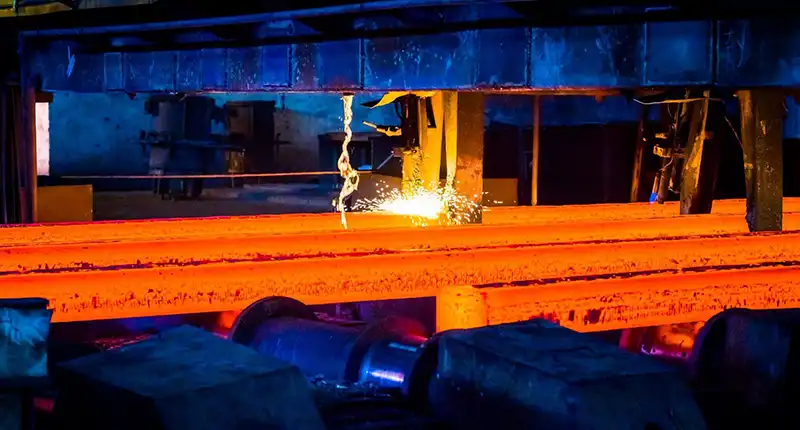
The remarkable strength-to-weight ratio of steel allows architects to design buildings with long, open spans and fewer interior columns. A professional structural steel fabricator is essential in turning these ambitious designs into a reality. These open plan designs are not just an aesthetic choice; they are a core component of passive energy efficiency.
Large, open interiors allow for deeper penetration of natural daylight, reducing the need for artificial lighting, which is a major consumer of energy in commercial buildings. These spaces also facilitate better natural ventilation and airflow, lessening the reliance on heating and cooling systems. By fabricating the components that make these efficient designs possible, the fabricator directly contributes to a building’s reduced energy consumption over its lifetime.
Sustainability is also about logistics. The carbon emissions generated by transporting heavy building materials can be substantial. Choosing a local or regional structural steel fabricator is a direct and impactful way to reduce a project’s embodied carbon footprint.
When materials do not have to travel thousands of kilometers from a distant supplier, the associated fuel consumption and emissions are drastically cut. Partnering with a local fabricator supports the regional economy and demonstrates a clear commitment to a more sustainable supply chain.
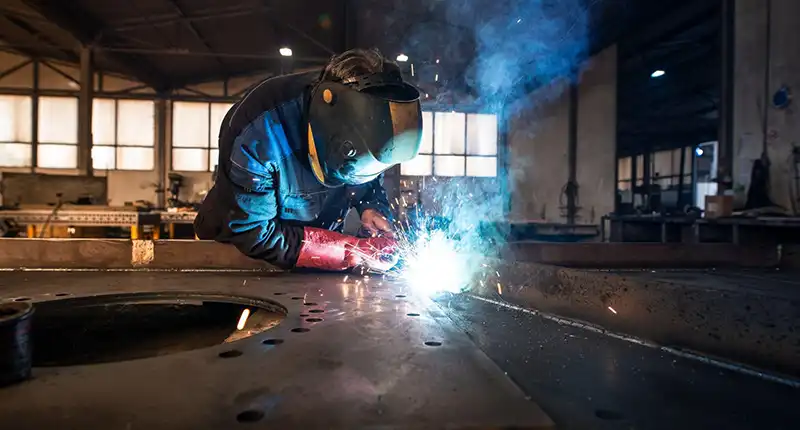
A truly sustainable building considers its entire lifecycle, including its end. Steel structures, which are typically bolted together, are designed for deconstruction, not just demolition. A forward-thinking fabricator produces components that can be carefully disassembled, preserved, and reused in future construction projects.
This concept of “design for disassembly” is a pillar of the circular economy. It transforms a building from a single-use entity into a repository of valuable materials for the future. The fabricator is the one who creates these reusable components, making them a key player in preventing future waste and conserving resources for generations to come.
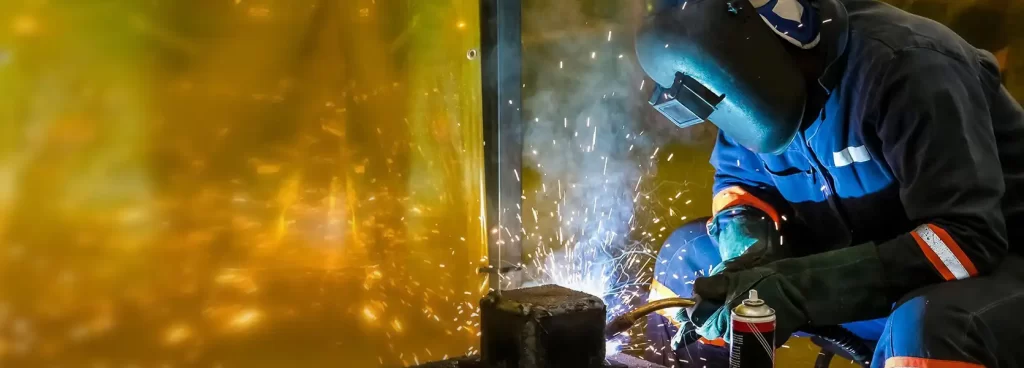
The role of a modern structural steel fabricator has evolved. They are no longer just suppliers of a strong material; they are integral partners in the green building movement. Through their use of a highly recycled product, their focus on precision to minimize waste, their ability to enable energy-efficient designs, and their contribution to a circular economy, they actively build a more sustainable future. Choosing a fabricator who understands and embraces this role is a critical step toward achieving your project’s environmental goals.
Build a stronger, more sustainable future. Partner with Brightsunindustries to leverage the benefits of expertly fabricated steel for your next green construction project.
Contact us today.
1. Is structural steel a green building material?
Yes. Due to its high recycled content, its 100% recyclability at the end of its life, and its long-term durability, structural steel is recognized as a key component in sustainable and green building projects.
2. How exactly does a steel fabricator reduce waste during a project?
Fabricators use advanced software to plan precise cuts, which minimizes the amount of leftover scrap material. Unlike on-site modifications, this work is done in a controlled environment where virtually all scrap is collected and recycled, resulting in almost zero landfill waste.
3. Can using steel help my project get a green building certification like LEED?
Absolutely. Using recycled structural steel can contribute points toward green building certifications like LEED (Leadership in Energy and Environmental Design) in categories related to recycled content, construction waste management, and regional materials.
4. What happens to the steel from a demolished building?
The vast majority of structural steel from a deconstructed or demolished building is salvaged and recycled. It is melted down and used to create new steel products without any degradation in quality, making it a prime example of a circular material.
5. Does working with a local fabricator impact sustainability?
Yes, significantly. Transportation is a major source of embodied carbon in a construction project. Using a local structural steel fabricator drastically reduces the distance heavy materials must travel, which lowers the project’s overall carbon footprint.
At a Glance

Shed No. 10, Fresh Express Warehouse,
Road B1, Dubai Investments Park 1,
Dubai, UAE.
+971 43807099
+971 563244963
+971 503226480