- +971 43807099
- +971 563244963
- brisunco@emirates.net.ae

- Meet Us
Shed No. 10,
Fresh Express Warehouse, Road B1, DIP 1,
Dubai, UAE.
Shed No. 10,
Fresh Express Warehouse, Road B1, DIP 1,
Dubai, UAE.
New
New
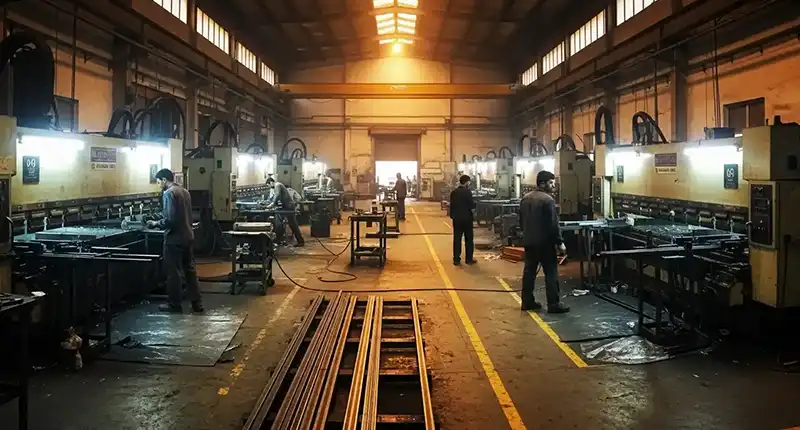
Precision in metal fabrication separates professional operations from basic workshops, especially in Dubai’s competitive industrial landscape. As projects become more complex and tolerances tighter, understanding advanced fabrication techniques becomes crucial for achieving superior results.
Modern facilities combine traditional craftsmanship with cutting-edge technology to deliver components that meet exact specifications while maintaining structural integrity and aesthetic appeal.
The evolution of fabrication methods has transformed how manufacturers approach custom metalwork, enabling the creation of parts that were previously impossible or prohibitively expensive. Today’s techniques allow for intricate designs, complex geometries, and precision tolerances that support Dubai’s ambitious architectural and industrial projects.
At a Glance
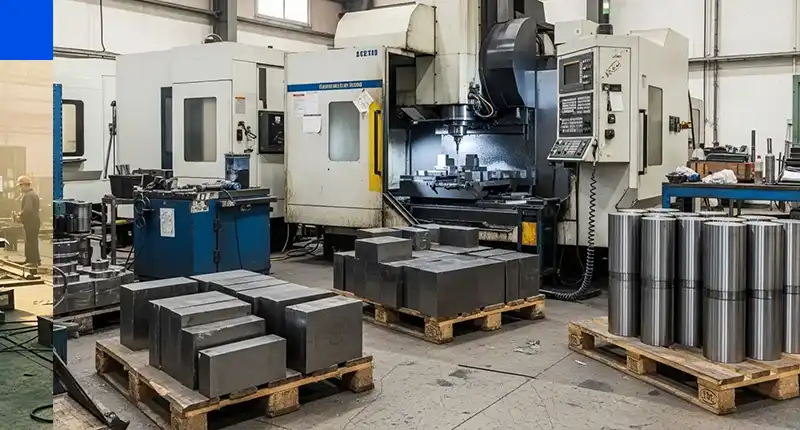
CNC metal machining UAE represents the pinnacle of precision manufacturing, enabling fabricators to achieve tolerances measured in thousandths of an inch while maintaining consistency across large production runs. These computer-controlled systems translate digital designs into physical components with accuracy that surpasses manual machining capabilities.
Modern CNC equipment handles multiple operations within a single setup, reducing handling errors and improving dimensional accuracy. Multi-axis machining centers can perform complex operations, including drilling, milling, turning, and threading, without repositioning components, ensuring geometric relationships remain precise throughout fabrication.
Programming flexibility allows for rapid prototyping and design modifications without the retooling costs associated with traditional manufacturing methods. This capability proves invaluable for custom projects requiring iterative development or components with unique specifications.
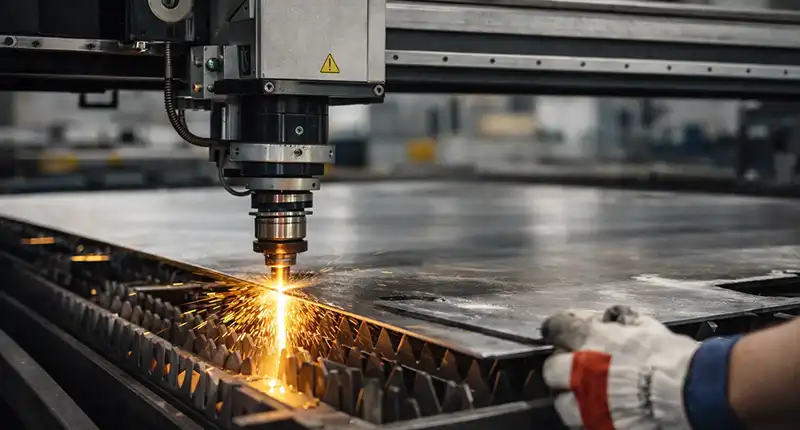
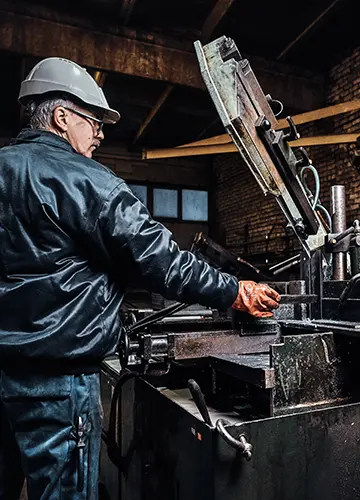
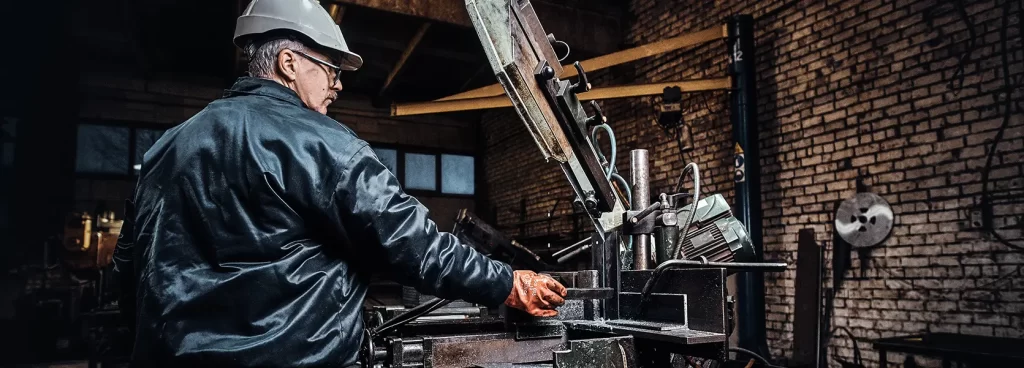
Industrial metal cutting in Dubai has evolved beyond basic plasma and oxy-fuel methods to include laser cutting, water jet cutting, and precision saw cutting techniques. Each method offers specific advantages depending on material type, thickness requirements, and desired edge quality.
Laser cutting provides exceptional precision for thin to medium thickness materials while producing clean edges that often require minimal finishing. The heat-affected zone remains narrow, preserving material properties near cut edges and enabling tight nesting for material efficiency.
Water jet cutting handles thicker materials and harder alloys without heat distortion, making it ideal for precision components requiring dimensional stability. This cold cutting process maintains material integrity throughout the thickness while achieving excellent surface finish quality.
Professional welding encompasses multiple processes selected based on material properties, joint design, and application requirements. Gas metal arc welding provides excellent penetration and deposition rates for structural applications, while gas tungsten arc welding offers superior control for precision assemblies requiring aesthetic welds.
Submerged arc welding delivers deep penetration and high deposition rates for heavy fabrication work, making it ideal for large structural components and pressure vessels. Flux-cored arc welding combines portability with excellent mechanical properties, suitable for field work and applications requiring high-strength joints.
Weld quality verification through visual inspection, dye penetrant testing, magnetic particle inspection, and radiographic testing ensures joints meet specified strength and integrity requirements for critical applications.
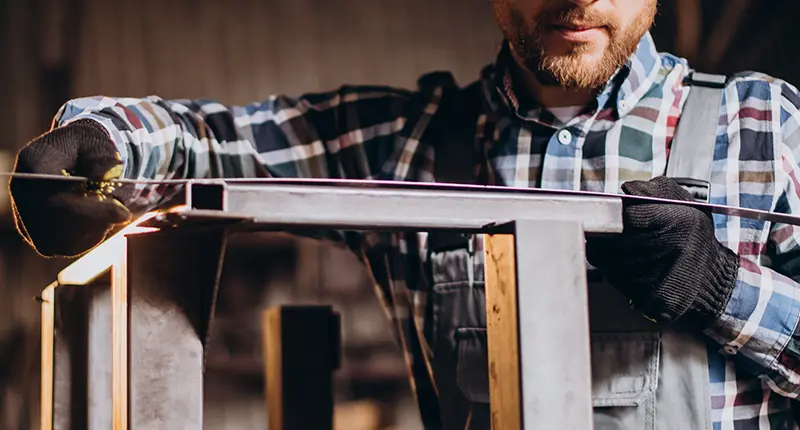
Successful fabrication begins with proper material selection and preparation. Carbon steel grades offer excellent strength-to-cost ratios for structural applications, while stainless steel provides corrosion resistance essential for chemical processing and marine environments.
Surface preparation significantly impacts final product quality and longevity. Shot blasting removes mill scale and contaminants while creating optimal surface profiles for coating adhesion. Chemical cleaning eliminates oils and residues that could compromise weld quality or finishing processes.
Material handling procedures prevent damage during storage and processing. Proper support prevents distortion in large sheets and plates, while environmental controls protect sensitive alloys from contamination that could affect performance characteristics.
Precision fabrication demands comprehensive quality control throughout the manufacturing process. Coordinate measuring machines provide dimensional verification with accuracy exceeding manual measurement capabilities, ensuring components meet specified tolerances before assembly or delivery.
Statistical process control identifies trends and variations before they result in nonconforming products. Regular calibration of measuring equipment maintains accuracy standards essential for precision work, while documented procedures ensure consistent application of quality standards across all projects.
First article inspection validates manufacturing processes for new components, while in-process inspection catches deviations before they affect multiple parts. Final inspection verifies that completed components meet all specified requirements before release.
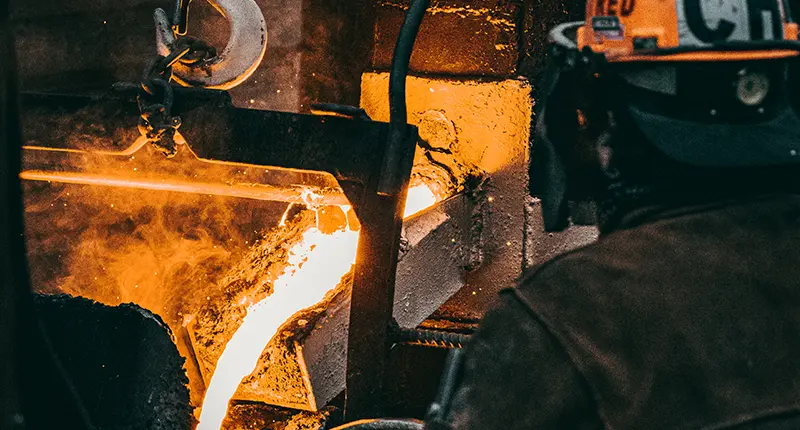
Professional assembly techniques ensure proper fit and function of complex fabrications. Fixturing maintains component alignment during welding and assembly operations, while temporary fasteners allow for adjustment before permanent joining.
Surface finishing options include mechanical polishing, chemical passivation, powder coating, and specialty plating, depending on application requirements. Each finishing method requires specific preparation and application techniques to achieve the desired appearance and performance characteristics.
Heat treatment processes modify material properties to meet application requirements. Stress relieving eliminates residual stresses from welding and forming operations, while hardening and tempering optimize strength and toughness characteristics.
Modern fabrication embraces design for manufacturability principles that optimize component design for efficient production while maintaining functionality and performance. Collaboration between designers and fabricators during development phases identifies potential manufacturing challenges before they impact schedules or costs.
Additive manufacturing integration allows for complex internal geometries and consolidated assemblies that reduce part counts and assembly time. Hybrid approaches combining traditional fabrication with 3D printing enable innovative solutions for challenging applications.
Automation integration improves consistency and efficiency for repetitive operations while maintaining the flexibility essential for custom fabrication work. Robotic welding and material handling systems enhance precision while reducing cycle times for production components.
Dubai’s industrial sector demands specialized fabrication capabilities for unique applications, including pressure vessels, lifting equipment, marine hardware, and architectural features. Each application requires specific techniques and quality standards tailored to service conditions and safety requirements.
Custom manifold fabrication combines precision machining with leak-proof welding techniques to create distribution systems for hydraulic and pneumatic applications. Pressure testing validates performance under operating conditions while ensuring safety margins meet or exceed design requirements.
Mastering precision fabrication techniques enables the creation of components that meet the demanding requirements of Dubai’s industrial and architectural projects. Success depends on combining advanced equipment capabilities with skilled craftsmanship and comprehensive quality systems. The integration of traditional techniques with modern technology provides the foundation for delivering superior results across diverse applications.
Professional metal fabrication services in Dubai that master these techniques provide competitive advantages through improved quality, reduced lead times, and enhanced customer satisfaction.
For projects requiring the highest levels of precision and quality, partner with Brightsun Industries. Contact us through this contact form here.
Q: What tolerances can modern CNC machining achieve?
Modern CNC equipment routinely achieves tolerances of plus or minus 0.0005 inches on critical dimensions, with some specialized applications reaching even tighter tolerances depending on material and geometry requirements.
Q: How do I choose between different cutting methods for my project?
Material thickness, edge quality requirements, production volume, and cost considerations determine optimal cutting methods. Laser cutting excels for thin materials requiring clean edges, while water jet handles thick sections without heat distortion.
Q: What quality standards should I expect from professional fabrication services?
Professional fabricators maintain ISO 9001:2015 certification, provide material certifications, conduct comprehensive testing, and document all processes to ensure consistent quality and traceability for critical components.
Q: Can fabrication techniques be combined for complex projects?
Yes, modern fabrication often combines multiple techniques within a single project. CNC machining, precision cutting, specialized welding, and finishing processes work together to achieve complex geometries and performance requirements.
Q: How important is material selection for achieving precision results?
Material selection critically affects achievable precision, with factors including dimensional stability, machinability, weldability, and thermal properties all influencing final component accuracy and performance characteristics.
At a Glance

Shed No. 10, Fresh Express Warehouse,
Road B1, Dubai Investments Park 1,
Dubai, UAE.
+971 43807099
+971 563244963
+971 503226480