- +971 43807099
- +971 563244963
- brisunco@emirates.net.ae

- Meet Us
Shed No. 10,
Fresh Express Warehouse, Road B1, DIP 1,
Dubai, UAE.
Shed No. 10,
Fresh Express Warehouse, Road B1, DIP 1,
Dubai, UAE.
New
New
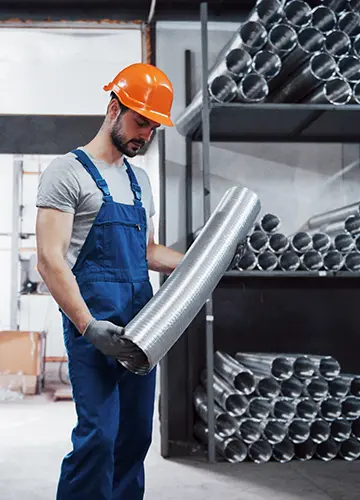
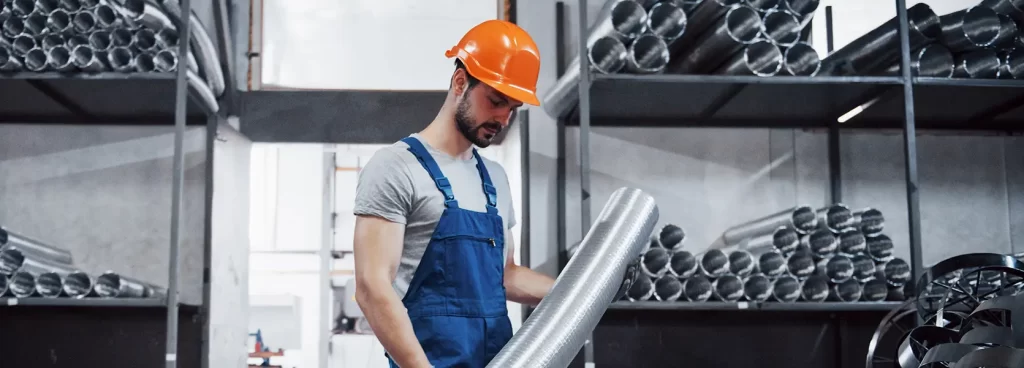
The metal fabrication process is at the heart of modern industry. From skyscrapers to aircraft, fabricated metal has touched the lives of most people and will continue to play a role in our lives. Whether it is the process of metal fabrication or another type, understanding the production process of these products helps in understanding the products that are around us.
The world Metal Fabrication Market is expected to reach a value of USD 21,955.71 Million by the end of 2024. This market will rise at a CAGR (Compounded Annual Growth Rate) of 4.1% and is anticipated to wind up worth USD 29,087.25 million by 2031.
In today’s blog, we will look at various styles of metal fabrication, how metal is fabricated, and practical uses for metal fabrication. This guide finally helps you make better choices for your projects.
At a Glance
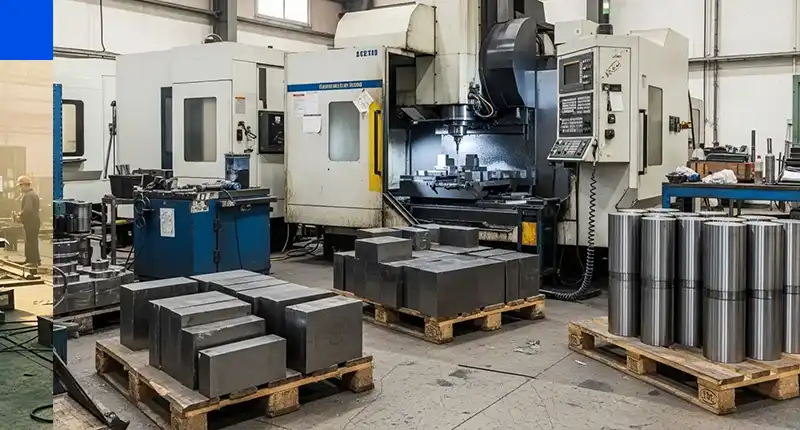
Metal fabrication is a form of art and science that involves working metal from its raw form and turning it into useful products. Metal fabrication process consists of cutting, bending, assembling, welding, and finishing. It is a process which mixes relatively skilled labor with high technology to shape sheets, plates or rods into accurate products.
Many fabrication shops begin with a design drawing and then choose the appropriate fabrication processes. End products could range from large steel beams used in the construction of buildings to light weight components used in medical devices. In simple terms, fabrication means that the raw material will become functional, durable and reliable.
With the current metal fabrication market pegged at an estimated $22.4 billion in 2024, the even better news is that it is projected to enjoy a CAGR of 3.4 percent over the 2024-2030 period and reach $27.4 billion by 2030, according to IndustrySelect.
Before discussing the process, it’s useful to be aware of the types of metal fabrication involved. Each has its own place as per project requirements.
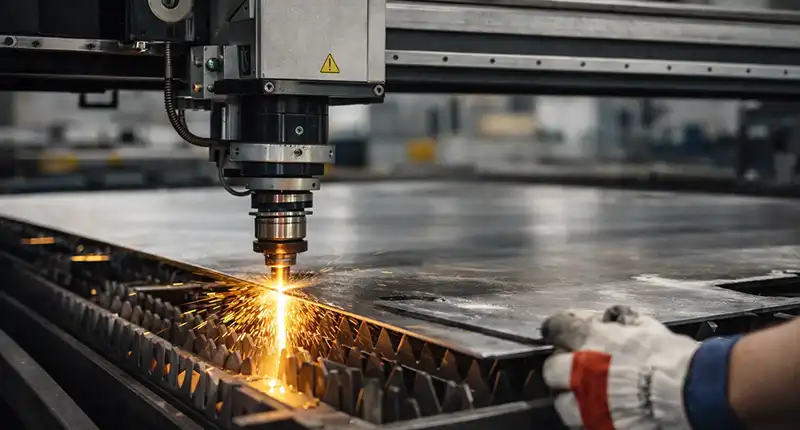
Cutting is the most ancient of all manufacturing processes. There are still workhorse saws in use today, but on the cutting-edge are laser cutting, plasma cutting, and water jet cutting, all of which are more precise and are found more frequently in shops. Cutting provides clean ends and exact dimensions.
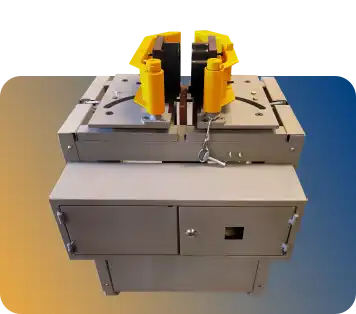
Fashioning or bending flat sheets or plates into curves or angles. This is accomplished by industry equipment, for example, press brakes and rollers. It makes sheets from flat steel into panels, brackets and enclosures.
Welding is an important way of joining parts together. Different welding types – MIG, TIG or arc welded – are selected based on the material type and thickness. Riveting, bolting and glues are also frequently used joining techniques.
Casting means that molten metal is poured into molds. It is a perfect process for advanced morphology and mass production. This is a technique of choice in automotive engine blocks and large machine housings.
Wrought is a form of metalworking in which forces are applied compressively. Cold forging makes the material stronger, but the hot forging process makes the material more ductile. Forged components are applied to tools, automobiles, and aerospace where strength is critical.
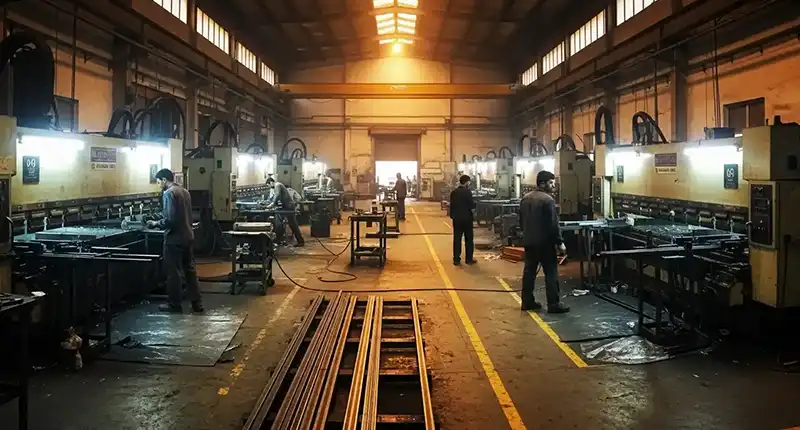
Stamping is used to make patterns or logos. Punching is used to create openings and shearing cuts a piece of material into a straight line. These processes are extremely popular for mass produced sheet metal parts.
Stamping is used to make patterns or logos. Punching is used to create openings and shearing cuts a piece of material into a straight line. These processes are extremely popular for mass produced sheet metal parts.
Extrusion is a process used to force metal through a die to make rods, tubes, or long profiles. Drawing involves the reduction in thickness into metal wires or sheets. Both processes are of importance for the electric and automotive industries.
Each of these sorts of metal fabrication can be combined in a project, depending upon complexity and performance requirements.
Understanding What Metal Fabrication Is. To really understand metal products, it’s good to have an understanding of metal fabrication in general. Here’s a step-by-step overview:
This workflow has allowed functional and reliable products to be shipped prior to delivery.
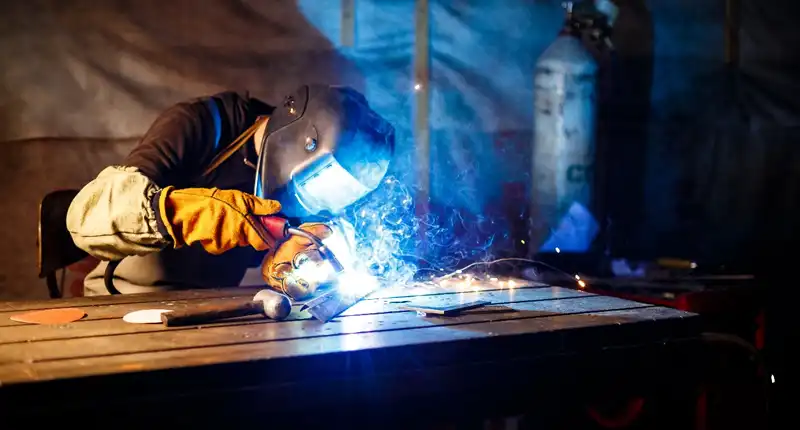
There are different kinds of metal fabrication and processes that can be applied to industries.
It’s necessary for the metal fabrication procedure in each industry to manufacture parts of high quality and meet stringent specifications.
The metal fabrication process is considered beneficial in many ways.
For these reasons, fabrication will stay at the heart of manufacturing and construction around the world.
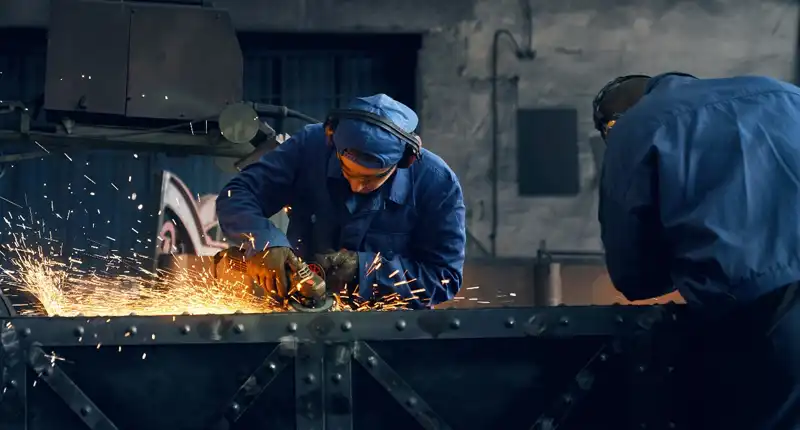
Picking the right partner for your metal fabrication job is crucial for success. At BrightSun Industries, we marry technology with craft to provide you with professional-level reliability and quality.
Metal fabrication isn’t just about shaping metal — it’s creating the framework of modern existence. Metal fabrication, the “Making of Parts” by cutting, forming, and joining metal material, is a value-added prototyping or manufacturing process that involves the creation of machinery, parts, and structures from various raw materials.
Whether you want strength, precision, or flexibility available for everything, find the process that works for you on your next part. We’re clever and smart at BrightSun Industries.
So if you are ready to take a look into how the right metal fabrication can make your project better, then contact brightsun now..
1: What is the metal fabrication process?
Fabrication of metal products produces part shapes and structures by cutting and shaping metal from a metal flat, welding the metal flat parts as needed, and finishing the metal parts to be used. It combines modern technologies like CNC machining and laser cutting with traditional methods such as forging and welding. It is precision, sustainable, and price-competitive for all industries globally.
2: What are the main types of metal fabrication?
The most popular metal fabrication processes are: cutting, bending, welding, casting, forging, machining, stamping, and extrusion and drawing. Casting goes for mass production projects, machining is for exactitude projects, and welding is for strong joining projects.
3: Where is metal fabrication used?
Metal fabrication is used in many industries and has diverse uses, for example, in construction, automotive, aerospace, energy, and consumer goods. It can be used to form anything from bridges and pipelines to auto body panels, airplane parts, and household appliances.
4: Why is metal fabrication important?
Metal fabrication is an integral aspect of such a process, as this is the way in which fabricated metal products are created, which would facilitate the fruition in growth and development of modern-day infrastructure and industrial capabilities.
5: Which metals are most commonly used in fabrication?
These types of fabrication are commonly made using metals such as steel, aluminum, copper, or stainless steel. Steel is selected for strength, aluminum for its lightness, stainless steel for its rust resistance, and copper for its conductivity. Whichever is the right choice, all comes down to performance, cost, and use case.
At a Glance

Shed No. 10, Fresh Express Warehouse,
Road B1, Dubai Investments Park 1,
Dubai, UAE.
+971 43807099
+971 563244963
+971 503226480