- +971 43807099
- +971 563244963
- brisunco@emirates.net.ae

- Meet Us
Shed No. 10,
Fresh Express Warehouse, Road B1, DIP 1,
Dubai, UAE.
Shed No. 10,
Fresh Express Warehouse, Road B1, DIP 1,
Dubai, UAE.
New
New
Project quotes can often return confusing terms. One supplier might mention machining while another might focus on fabrication. Both claim they can complete your project.
Understanding the difference between these processes helps you select the right Dubai machining and fabrication services. Each method serves distinct purposes and delivers different results for industrial components.
At a Glance
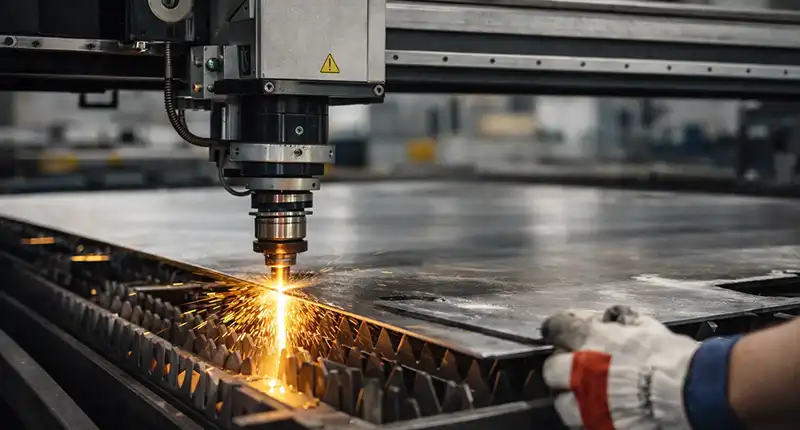
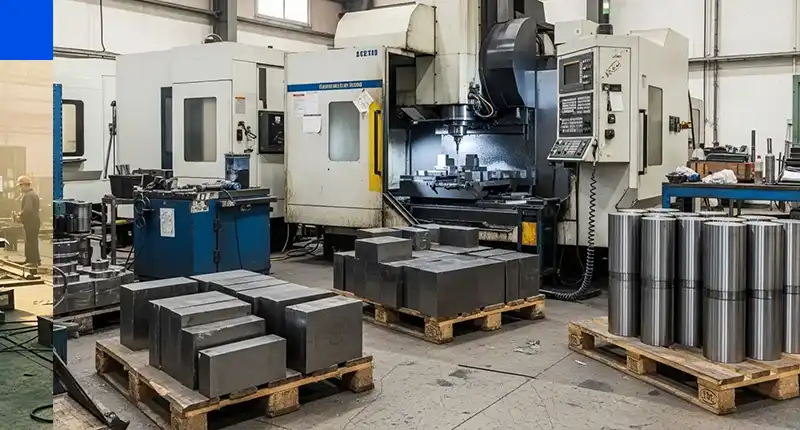
Metal machining removes material from solid stock to create precise shapes and dimensions. The process uses cutting tools that shave away excess metal until the desired form emerges. Machining produces parts with tight tolerances and smooth surface finishes.
Common machining operations include milling, turning, drilling, and grinding. CNC machines control tool movements with computer precision. This technology enables complex geometries and repeatable accuracy across production runs.
A metal machining company in the UAE typically works with bar stock, plate, or castings as starting materials. The final part emerges through subtractive manufacturing
Welding is the process of permanently joining two or more metal pieces using heat, pressure, or both. Different techniques such as MIG, TIG, or stick welding create joints with varying strengths.
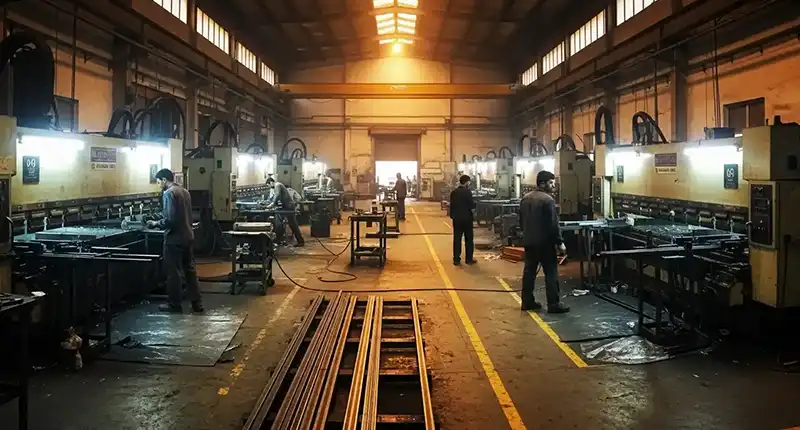
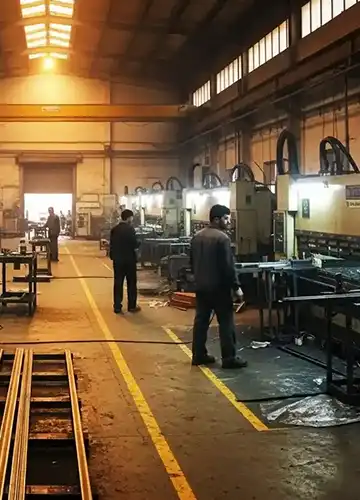
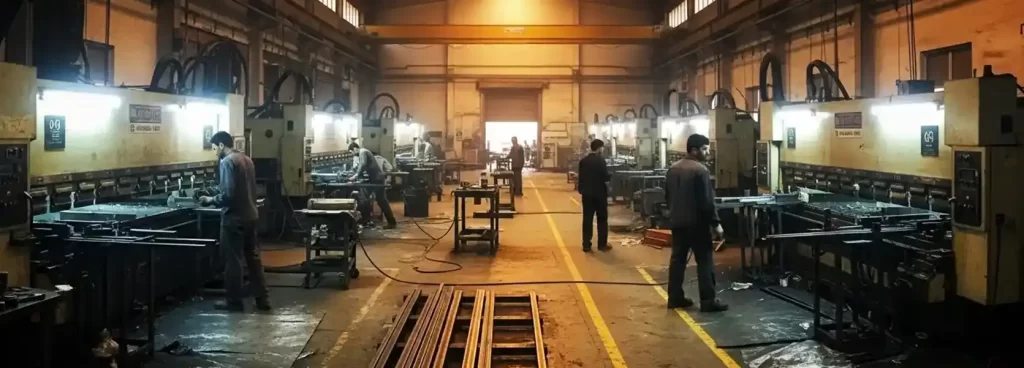
Metal fabrication assembles parts into larger structures through cutting, bending, and joining processes. The method transforms raw sheets, plates, tubes, and structural sections into finished assemblies. Fabrication creates frameworks, enclosures, and complex built-up structures.
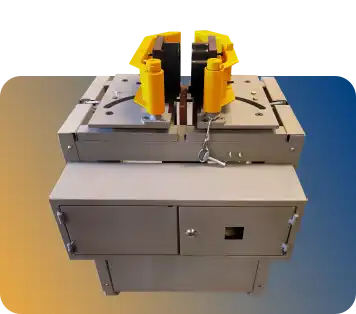
Common fabrication operations include shearing, punching, bending, rolling, and welding. Fabricators join multiple pieces to create assemblies that would be impossible to machine from a solid material. The process builds rather than removes.
Dubai fabrication company operations handle projects ranging from simple brackets to complex structural frames. Multiple fabrication steps combine to produce the final product. Welding often joins components permanently.
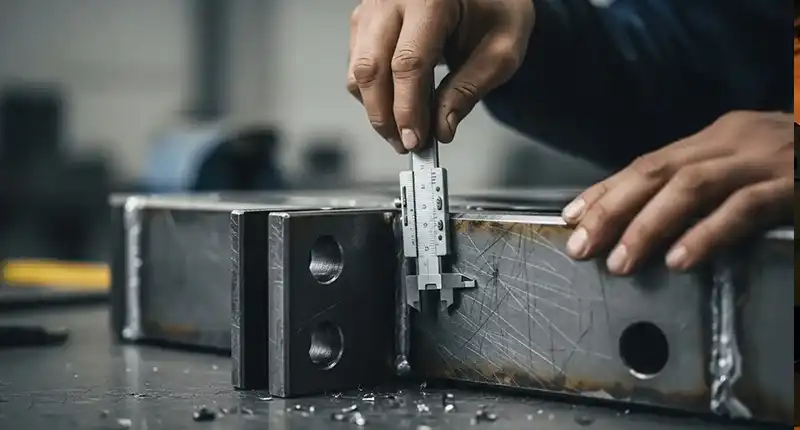
Machining works best for cylindrical parts, precision features, and tight tolerances. Turning operations create shafts, bushings, and fittings. Milling produces flat surfaces, pockets, and complex contours. Drilling adds accurate holes for fasteners or fluid passages.
Fabrication excels at large structures, sheet metal assemblies, and welded frameworks. Bending forms, brackets, and enclosures from flat sheets. Rolling creates cylindrical tanks and vessels. Welding joins beams into structural frames for buildings and equipment.
Tolerance capabilities differ significantly. Machining holds dimensions within hundredths of millimeters routinely. Fabrication typically works to millimeter-level tolerances unless special measures apply. Surface finishes from machining appear smoother than fabricated edges.
Precision components require machining services. Hydraulic fittings demand accurate threads for leak-free connections. Bearing surfaces need smooth finishes and exact diameters. Valve bodies require precise bores and ports.
Rotating parts like shafts and spindles always need machining. These components spin at high speeds where dimensional accuracy prevents vibration and premature failure. Machining delivers the required roundness and concentricity.
High-strength fasteners and threaded components need machined threads. Threading operations cut precise helical forms that match mating parts perfectly. This ensures proper clamping force and prevents thread stripping.
Large structural assemblies require fabrication processes. Building frames, equipment supports, and platforms are assembled from multiple pieces. Welding joins these components into rigid structures capable of bearing significant loads.
Sheet metal enclosures and covers need fabrication techniques. Electrical cabinets, machinery guards, and protective housings are formed through cutting and bending operations. Welded seams create enclosed volumes for environmental protection.
Tanks, hoppers, and vessels always involve fabrication. Rolled shells weld to formed heads, creating containers for fluids or bulk materials. These structures would be impossible to machine from solid material economically.
Many industrial projects need both machining and fabrication. A pressure vessel requires a fabricated shell and heads, but machined flanges for pipe connections. The shell is fabricated from rolled plate, while flanges are machined from forged rings.
Equipment frames often combine both processes. The main structure is fabricated from welded beams and plates. Mounting surfaces and precision bores are machined into the fabricated frame for accurate component positioning.
Custom machinery always integrates machined and fabricated elements. Bases and guards are fabricated from sheet metal and structural sections. Precision components like shafts, gears, and housings are machined to exact specifications. Both processes work together in the final assembly.
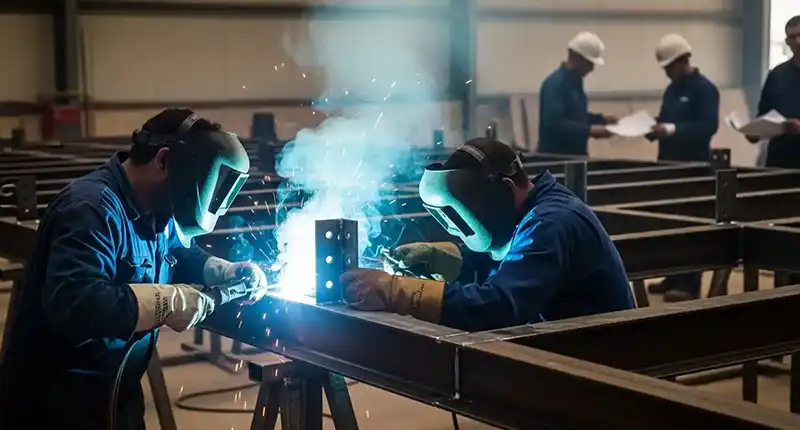
Machining works with virtually any metal that cutting tools can penetrate. Stainless steel, carbon steel, aluminum, brass, and exotic alloys all machine successfully. Material hardness affects tool life and cutting speeds, but rarely prevents machining.
Fabrication handles sheet and structural forms more readily than solid stock. Thinner materials bend easily, while thick plates require powerful equipment. Weldability becomes crucial since most fabrication joins parts permanently. Some alloys resist welding and limit fabrication options.
Cost efficiency differs between processes based on material form. Bar stock suits machining, while sheet and structural shapes favor fabrication. Material waste patterns vary, too. Machining creates chips while fabrication produces cut-off scraps.
Machining shops invest in lathes, mills, and CNC machining centers. These precision machines cost significantly and require skilled programmers and operators. Cutting tools, fixtures, and measurement instruments add to equipment needs.
Fabrication facilities use shears, brakes, rolls, and welding equipment. Overhead cranes handle large assemblies. Welding requires certified personnel with specific process qualifications. Fit-up and assembly skills differ from machining expertise.
Fabrication companies in Dubai that also offer machining provide integrated services. This combination allows projects to progress without transferring between separate suppliers. Coordination improves and lead times often decrease.
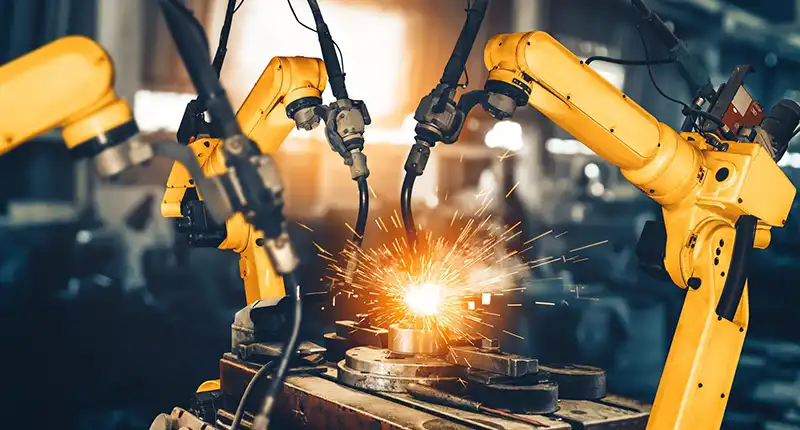
Machining costs reflect material removal time. Complex shapes requiring multiple setups increase expenses. Small parts are machined quickly, while large components need extended cutting time. Tool wear adds to per-part costs.
Fabrication costs depend on assembly complexity and welding length. Simple bends cost less than intricate assemblies with numerous joints. Material handling for large structures adds expense. Surface preparation and finishing contribute to final costs.
Lead times for machining depend on machine availability and operation complexity. Simple turned parts are complete in hours, while complex milled components need days. Fabrication schedules account for multiple operations and welding time. Large assemblies require extended periods.
Consult with experienced Dubai machining and fabrication providers. They assess drawings and recommend optimal manufacturing approaches. Working with a metal machining company in the UAE that also handles fabrication simplifies project management.
BrightSun Industries provides both ISO 9001:2015 certified CNC machining and custom fabrication services.
Contact us today to discuss which processes best suit your project requirements and how our Dubai machining and fabrication capabilities deliver complete solutions.
At a Glance

Shed No. 10, Fresh Express Warehouse,
Road B1, Dubai Investments Park 1,
Dubai, UAE.
+971 43807099
+971 563244963
+971 503226480