- +971 43807099
- +971 563244963
- brisunco@emirates.net.ae

- Meet Us
Shed No. 10,
Fresh Express Warehouse, Road B1, DIP 1,
Dubai, UAE.
Shed No. 10,
Fresh Express Warehouse, Road B1, DIP 1,
Dubai, UAE.
New
New
Cut parts that do not match create expensive problems. Assembly teams spend hours filing edges and forcing holes to line up. Projects fall behind schedule while teams fix mistakes. Professional industrial metal cutting Dubai operations prevent these issues through proper processes, the right equipment, and quality checks that deliver accurate results the first time.
Here is a list of Techniques, Safety Standards, and Best Practices for Fabricators.
At a Glance
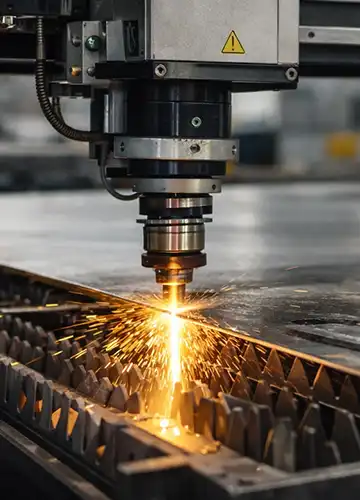
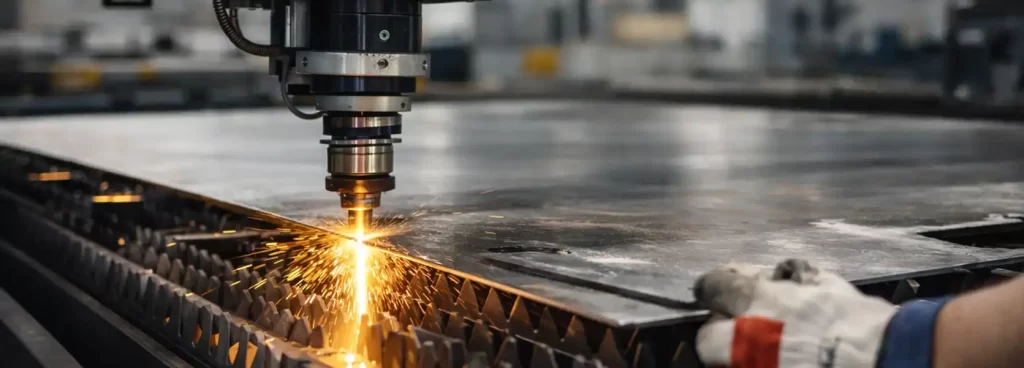
Plasma cutting uses superheated gas to melt through metal. The process cuts carbon steel, stainless steel, and aluminum quickly. Plasma works well for thick plates up to 50mm.
Waterjet cutting forces high-pressure water mixed with tiny abrasive particles through a narrow nozzle. This cold cutting process produces no heat damage that changes material properties. Waterjet handles virtually any material, including metals, composites, and ceramics.
Oxy-fuel cutting burns metal using oxygen and fuel gas together. The process works well for thick carbon steel plates at a lower cost. Oxy-fuel cutting cannot handle stainless steel or aluminum properly.
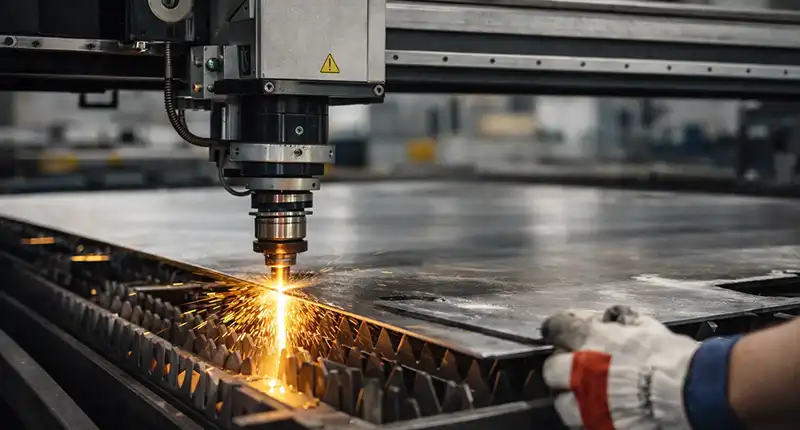
Laser cutting uses a focused beam to vaporize material along programmed paths. The process delivers extreme precision with very narrow cuts. Laser cutting works best on thinner materials under 25mm. Operating costs run higher than those of other methods.
Material type determines which cutting methods work. Carbon steel cuts with any technique. Stainless steel requires plasma, waterjet, or laser since oxy-fuel does not work. Aluminum needs plasma or waterjet because oxy-fuel fails to cut it effectively.
Edge quality needs affect method selection. Precision parts needing minimal cleanup benefit from waterjet or laser cutting. Structural components with welded edges can tolerate rougher plasma or oxy-fuel edges.
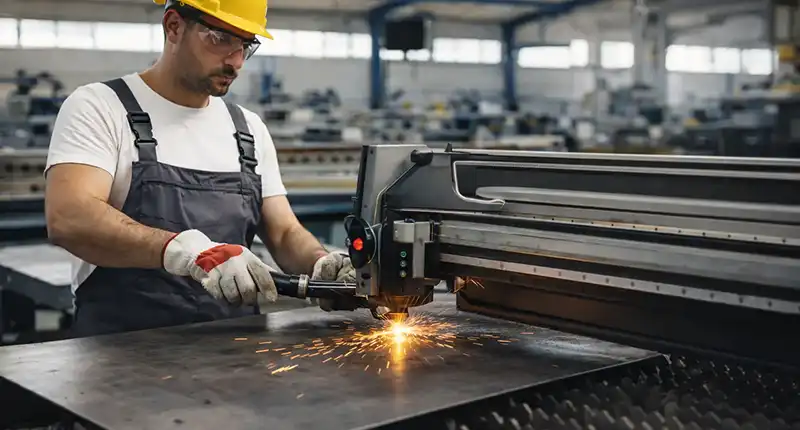
Dubai Municipality regulations require proper ventilation for cutting operations. Fumes from plasma and oxy-fuel cutting contain harmful particles and gases. Exhaust systems must capture fumes right at the source before workers breathe them.
Fire prevention measures include heat-resistant barriers and spark containment. Hot work permits document safety steps before cutting begins. Fire extinguishers rated for metal fires must stay close by.
Personal protective equipment includes face shields, welding helmets with proper shading, leather gloves, and flame-resistant clothing. Operators need hearing protection for plasma cutting noise. Safety boots with toe protection shield feet from falling materials.
Electrical safety applies to plasma cutting systems. Proper grounding prevents shock dangers. Regular inspection of cables finds damage before failures happen. Lock and tag procedures control energy during maintenance.
Material preparation affects cutting results significantly. Remove rust, dirt, and coatings from cut paths. Surface contamination causes uneven cuts and damages cutting parts faster. Clean materials produce better edges with less waste.
Secure workpieces firmly to the cutting tables. Magnetic clamps, mechanical fixtures, or vacuum systems prevent shifting. Program checks before cutting prevent costly mistakes. Simulate tool paths to watch for crashes or movements outside the work area. Verify dimensions match drawings exactly. Test programs on scrap material when possible.
Speed settings balance production time against edge quality. Faster speeds increase output but may produce rougher edges with more waste metal. Slower speeds improve quality but take more time. Match speeds to quality needs for each job.
Torch or nozzle height control keeps a consistent distance from the material. Too close damages cutting parts and creates uneven cuts. Too far reduces cutting ability and quality.
Gas pressures and flow rates follow the equipment maker’s instructions. Wrong settings waste cutting parts and reduce quality.
Daily checks examine cutting parts, including nozzles, electrodes, and tips. Worn parts produce poor cuts and waste materials. Replace items showing damage or too much wear right away. Keep enough spare parts on hand.
Cutting tables need regular cleaning. Built-up metal waste interferes with material support and creates fire dangers. CNC systems need routine checks. Verify machine movements against known distances regularly. Look for problems that affect accuracy. Lubricate moving parts per maintenance schedules.
Overhead cranes and forklifts move heavy plates safely. Figure out the center of weight before lifting. Use proper rigging rated for load weights. Never stand under hanging loads.
Storage racks organize materials by type and size. Label materials clearly to prevent choosing the wrong items.
Scrap management reduces tripping dangers and fire risks. Remove cutoffs and leftover pieces regularly. Sort scrap by material type for recycling value.
First-article inspection checks that programmed paths produce correct sizes. Measure important features with calibrated tools. Compare results against drawings before making full production quantities. Adjust programs to fix any errors.
During production checks, catch problems before finishing entire batches. Final inspection confirms finished parts meet specifications. Check all critical dimensions and hole locations. Verify edge quality meets drawing needs. Write down measurements for quality records.
Dust collection systems capture particles from cutting operations. Filters prevent the release of metal particles into the environment. Regular filter maintenance keeps the collection working well. Dispose of collected material properly.
Water recycling for waterjet cutting reduces usage. Filtration removes abrasive particles for reuse.
Noise reduction protects workers and neighbors. Schedule noisy operations during permitted hours. Provide hearing protection where noise exceeds safe limits.
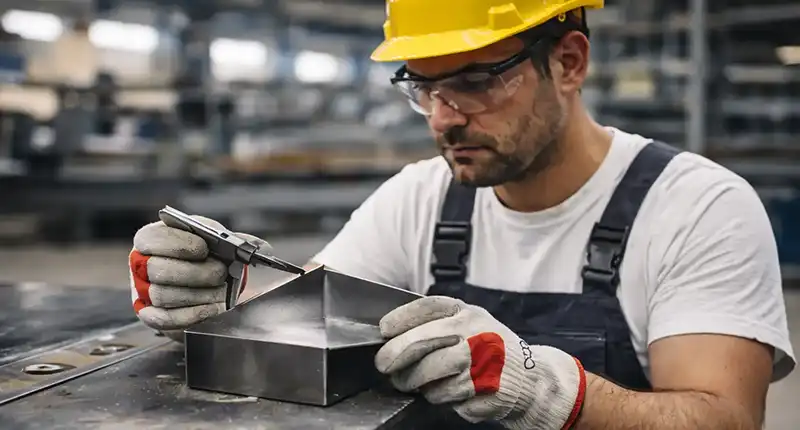
Production data shows opportunities for making things better. Track cutting times, part life, and quality measures. Study trends to find inefficiencies. Put improvements in place systematically.
Metal fabrication UAE standards keep advancing. Stay informed about new rules and best practices. Industry groups provide resources and networking opportunities.
BrightSun Industries uses advanced waterjet cutting and CNC machining with ISO 9001:2015 certified processes. Our Dubai fabrication company expertise ensures accurate cuts meeting demanding specifications.
Contact us today to discuss your industrial metal cutting Dubai requirements with experienced fabrication company Dubai professionals who prioritize quality and safety.
At a Glance

Shed No. 10, Fresh Express Warehouse,
Road B1, Dubai Investments Park 1,
Dubai, UAE.
+971 43807099
+971 563244963
+971 503226480