- +971 43807099
- +971 563244963
- brisunco@emirates.net.ae

- Meet Us
Shed No. 10,
Fresh Express Warehouse, Road B1, DIP 1,
Dubai, UAE.
Shed No. 10,
Fresh Express Warehouse, Road B1, DIP 1,
Dubai, UAE.
New
New
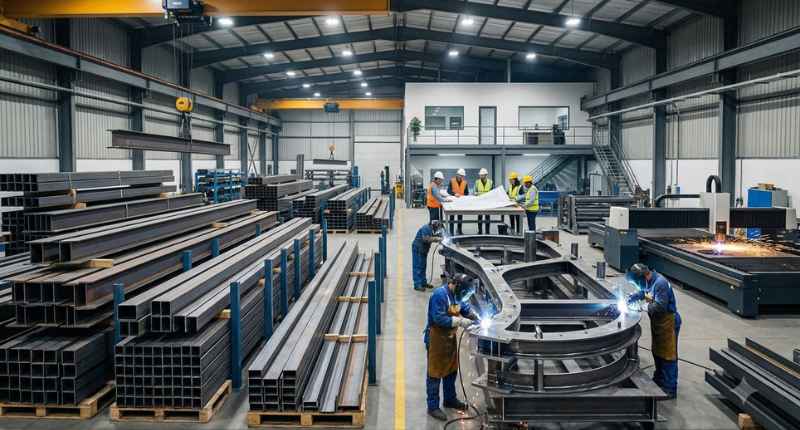
Choosing the right fabrication partner can determine the success or failure of your industrial or construction project. With numerous options available across Dubai, identifying a reliable provider requires understanding what separates professional fabricators from basic metalworking shops. The decision impacts everything from project timelines and budgets to long-term operational safety and performance.
A dependable fabrication company combines technical expertise, quality certifications, and responsive customer service to deliver results that meet exact specifications. These factors become especially critical when projects involve complex custom components, tight deadlines, or strict safety requirements.
At a Glance
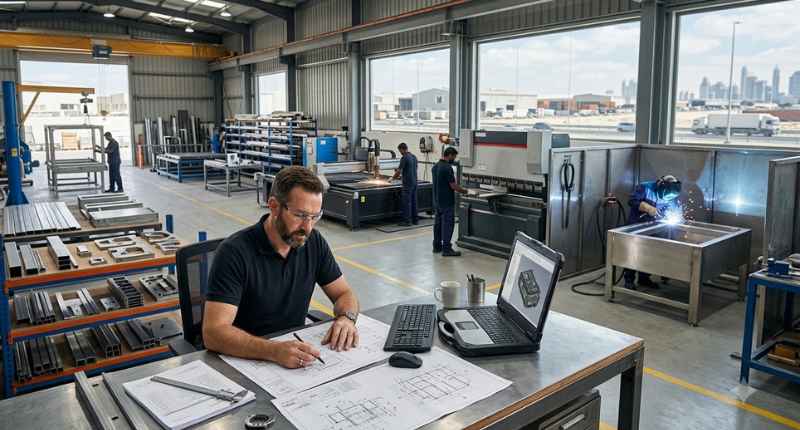
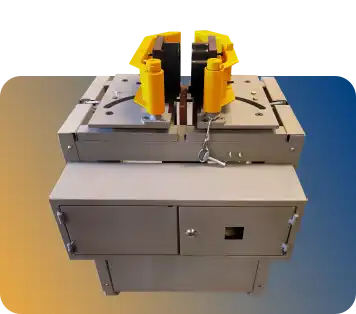
Modern fabrication projects demand precision that only advanced equipment can deliver. Professional operations invest in both conventional machining tools and computer numerical control (CNC) systems that ensure consistent accuracy across large production runs and intricate custom pieces.
The range of services offered indicates a fabricator’s capability depth. Look for companies providing comprehensive solutions, including design consultation, material selection, cutting, welding, assembly, and finishing. This integrated approach eliminates coordination challenges between multiple vendors while maintaining quality control throughout the entire process.
Water jet cutting, plasma cutting, and laser cutting technologies enable precise material removal with minimal waste. Professional facilities also maintain welding capabilities for various steel types and thicknesses, ensuring projects can be completed without outsourcing critical steps to unknown third parties.
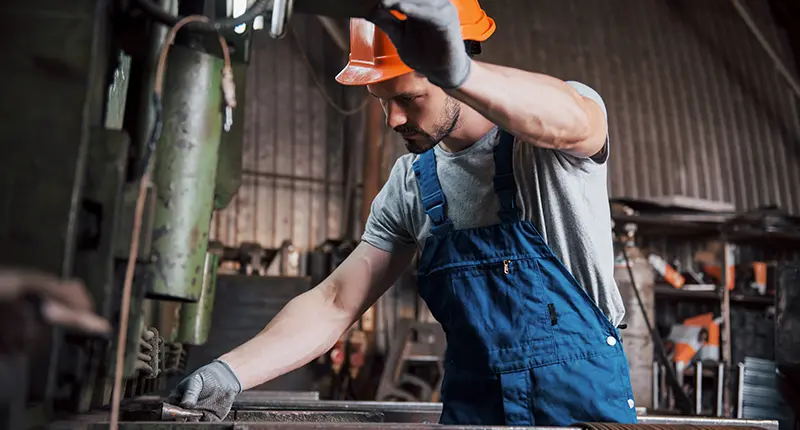
Certification standards provide objective measures of a company’s commitment to quality and consistency. ISO 9001 metal fabrication UAE certification demonstrates that operations maintain documented quality management systems, regular audits, and continuous improvement processes.
This certification becomes particularly important for projects involving structural components, pressure vessels, or safety-critical applications where component failure could result in significant consequences. Certified fabricators follow established procedures for material handling, welding qualifications, and final inspection protocols.
Additional certifications may include welding standards, material testing capabilities, and industry-specific qualifications for sectors like oil and gas, marine, or aerospace applications. These credentials indicate specialized expertise beyond general fabrication work.
Successful projects require understanding the unique requirements of different industries and application types. Fabricators with relevant experience anticipate potential challenges, suggest design improvements, and ensure compliance with applicable codes and standards.
Review portfolios and case studies to evaluate whether potential partners have handled projects similar in scope, complexity, and industry requirements. Companies that specialize in your sector understand regulatory requirements, common design constraints, and performance expectations without extensive explanation.
Experience with local conditions also matters. Dubai climate, building codes, and logistics requirements create specific considerations that experienced local fabricators navigate efficiently.
Reliable material sourcing affects both project timelines and final product quality. Professional operations maintain relationships with certified suppliers and can provide material certifications, test reports, and traceability documentation when required.
Supply chain flexibility becomes crucial during market fluctuations or when projects require specialty materials. Established fabricators often maintain an inventory of common materials while having reliable access to specialty alloys, stainless steel grades, and other materials for specific applications.
Material handling and storage practices also indicate professionalism. Proper storage prevents contamination, corrosion, and damage that could compromise final product quality or require costly rework.
Clear communication throughout project execution prevents misunderstandings, delays, and cost overruns. Professional teams provide regular progress updates, address questions promptly, and maintain accessible project documentation.
Project management capabilities become especially important for complex multi-phase work or projects with strict scheduling requirements. Look for companies using established project management systems, providing realistic timelines, and having contingency plans for potential delays.
Documentation practices also matter. Professional fabricators maintain detailed records of materials used, welding procedures, inspection results, and test certifications that may be required for project closeout or future maintenance.
Comprehensive testing and inspection procedures ensure fabricated components meet specified requirements before delivery. Professional facilities maintain testing equipment for dimensional verification, material properties, weld quality, and surface finish standards.
Load testing capabilities are essential for lifting equipment, structural components, and safety-critical applications. Pressure testing ensures manifolds, vessels, and piping components perform safely under operating conditions.
Third-party inspection services provide additional verification when required by project specifications or industry standards. Established fabricators coordinate these inspections efficiently while maintaining project schedules.
Production capacity and facility capabilities must align with project requirements and timelines. Evaluate whether potential partners have adequate space, equipment, and workforce to handle your project without compromising quality or schedules.
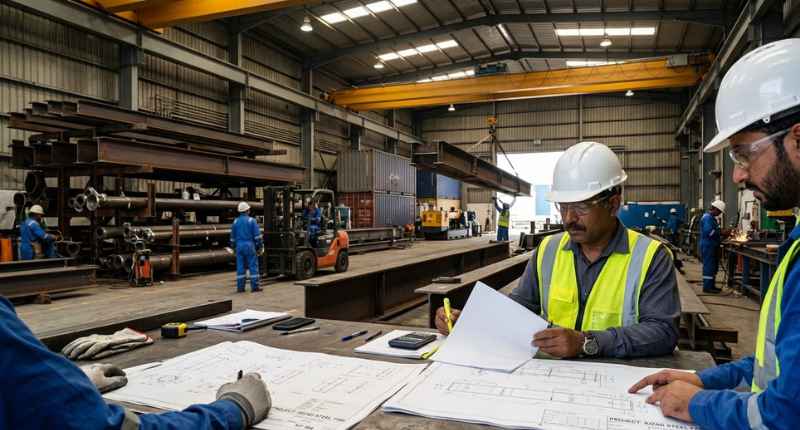
Facility organization indicates operational efficiency. Well-organized shops with proper material flow, designated work areas, and maintained equipment typically deliver more consistent results and shorter lead times.
Consider location logistics as well. Facilities with good transportation access can reduce delivery costs and scheduling complexity, especially for large or heavy components.
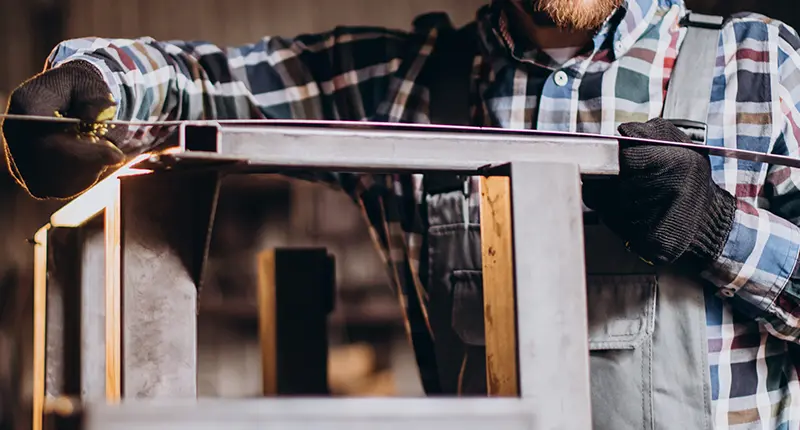
Responsive customer service distinguishes professional fabricators from basic service providers. Look for companies providing technical consultation during design phases, addressing questions promptly throughout production, and offering support after delivery when needed.
Round-the-clock availability may be necessary for urgent projects or industries with continuous operations. Established providers often offer emergency support and expedited services when situations require rapid response.
While cost considerations are important, the lowest bid rarely represents the best value for critical applications. Professional fabricators provide detailed quotations that clearly outline materials, labor, testing, and delivery costs without hidden charges.
Value evaluation should consider total project costs, including potential delays, rework, or performance issues that could result from choosing inadequate services. Quality fabrication often reduces long-term maintenance and replacement costs.
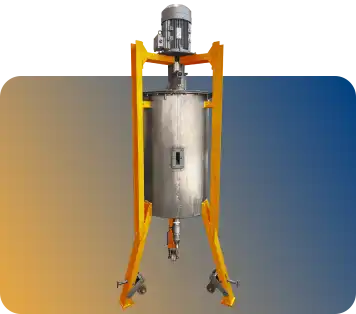
Top-tier providers offer specialized capabilities beyond standard cutting and welding. Services like custom manifold design, pressure testing, load testing, and specialty finishing distinguish professional operations from basic shops.
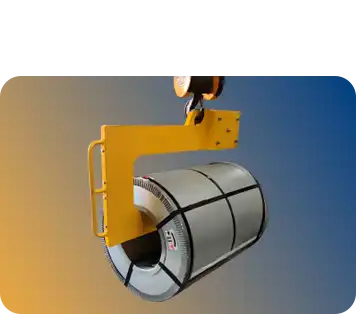
Look for facilities equipped to handle unique requirements such as custom clamps, specialized brackets, or complex assemblies. The ability to provide complete solutions rather than just basic fabrication services often proves valuable throughout project execution.
In aerospace or healthcare, for example, a millimeter’s deviation can make a component useless. Fabrication and welding must be done within tight tolerances to ensure flawless performance.
This often requires advanced measuring tools and meticulous quality control.
Selecting reliable metal fabrication services in Dubai requires evaluating multiple factors beyond basic pricing comparisons. Technical capabilities, quality certifications, relevant experience, and professional practices all contribute to successful project outcomes. The right Dubai fabrication company becomes a valuable partner that supports your goals through expertise, reliability, and commitment to excellence.
For projects requiring precision steel fabrication in Dubai with proven quality and dependable delivery, contact Brightsun Industries today.
Q: What certifications should I look for in a Dubai fabrication company?
ISO 9001:2015 certification is essential as it demonstrates quality management systems and consistent processes. Additional welding certifications and industry-specific credentials may be required depending on your project requirements.
Q: How important is local experience for fabrication projects?
Local experience is crucial as fabricators familiar with Dubai regulations, climate conditions, and logistics requirements can navigate challenges more efficiently and ensure compliance with local standards.
Q: What testing capabilities should professional fabricators offer?
Professional facilities should provide dimensional verification, material testing, load testing for structural components, and pressure testing for vessels and manifolds, depending on your project needs.
Q: How can I evaluate a fabricator’s technical capabilities?
Review their equipment list, facility certifications, portfolio of completed projects, and range of services offered. CNC machining capabilities and comprehensive welding services indicate advanced technical capacity.
Q: What factors affect fabrication project timelines and costs?
Material availability, project complexity, required testing and certifications, facility capacity, and custom design requirements all influence both scheduling and pricing for fabrication projects.
At a Glance
Related Blogs

Shed No. 10, Fresh Express Warehouse,
Road B1, Dubai Investments Park 1,
Dubai, UAE.
+971 43807099
+971 563244963
+971 503226480