- +971 43807099
- +971 563244963
- brisunco@emirates.net.ae

- Meet Us
Shed No. 10,
Fresh Express Warehouse, Road B1, DIP 1,
Dubai, UAE.
Shed No. 10,
Fresh Express Warehouse, Road B1, DIP 1,
Dubai, UAE.

New
New
The success of a major construction project hinges on the strength of its partnerships. Of these, the relationship with your structural steel fabricator is one of the most vital. This partner does more than just supply materials; they build the very skeleton of your project. An excellent fabricator ensures precision, safety, and timeliness, while a poor choice can compromise the entire venture.
Making the right selection requires moving beyond a simple checklist. It involves a deeper evaluation of a company’s capabilities, processes, and character. This guide offers a framework for choosing a true project partner, helping you avoid common pitfalls and build a foundation for success.
At a Glance
Before discussing any single project, first assess the fundamental integrity of the fabrication company itself. This involves looking at three key areas: their history, their commitment to quality, and their dedication to safety.
A fabricator’s experience provides crucial insight. Their portfolio should showcase projects of a similar scale and complexity to your own. A history of working in your specific sector, whether commercial, industrial, or residential, indicates a deep understanding of the relevant codes and challenges. This relevant experience is a strong predictor of future success.
Equally important is a proven commitment to quality. A professional structural steel fabricator will have a robust quality control system. Ask about their processes for material traceability, which tracks steel from its origin, and their methods for weld inspections and dimensional checks. Formal certifications, such as ISO 9001, are not just paperwork; they are proof of a dedication to consistent, verifiable quality.
Finally, a company’s safety record is non-negotiable. A safe operation is a well-managed and disciplined operation. Inquire about their safety protocols and history. A partner who prioritizes safety protects their team, your project, and your reputation.
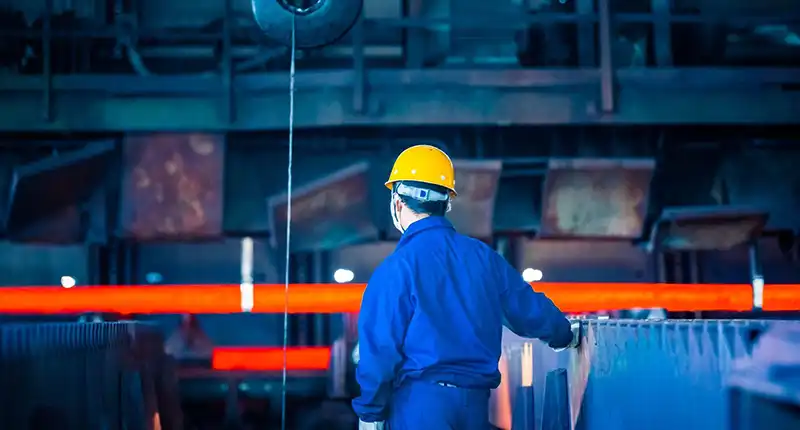
Once you have verified a fabricator’s foundational strength, the next step is to ensure they can align with the specific needs of your project. This is about establishing a clear and effective working relationship.
Communication is the cornerstone of this relationship. A reliable partner will be proactive, responsive, and transparent. Determine who your primary point of contact will be and how they will manage project updates, questions, and any changes that arise. A smooth flow of information prevents misunderstandings and costly delays.
You must also have an honest conversation about capacity and scheduling. A fabricator must have the resources, equipment, and workshop space to handle your project’s volume without creating a bottleneck. Ensure their production schedule can realistically integrate with your overall construction timeline to keep the entire project on track.
This alignment is a two-way street. The client has a responsibility to provide clear, complete, and accurate engineering drawings. Vague specifications force a fabricator to make assumptions, leading to incorrect quotes and a product that may not meet your require
Only after you have assessed a fabricator’s core strengths and confirmed project alignment should you evaluate the cost. One of the most significant mistakes in this process is awarding a contract based solely on the lowest bid. An unusually low price often points to compromises in material quality, workmanship, or safety protocols.
True value is not found in the lowest initial price, but in the lowest total cost of ownership. The savings from a cheap bid can quickly disappear when faced with the expense of correcting errors, project delays, or rework. A professional structural steel fabricator who invests in quality, safety, and project management may not be the cheapest option upfront, but they provide a more reliable and ultimately more cost-effective outcome.
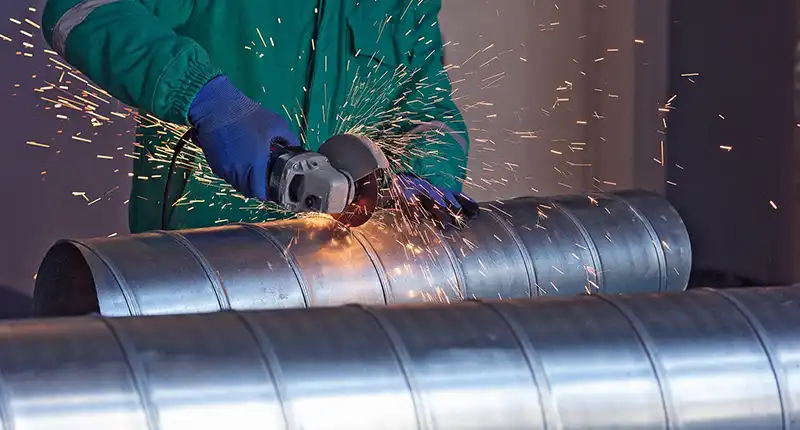
Choosing a structural steel fabricator is a decision that should be approached with care and diligence. By evaluating potential partners on three levels—their foundational integrity, their ability to align with your project, and the true value they offer.
You can build a partnership with a company that is as invested in your project’s success as you are, ensuring a final structure that is safe, sound, and built to last.
Build your next project on a foundation of quality and trust. Contact Brightsunindustries to learn how our proven expertise in steel fabrication can support your vision.
1. Why is a fabricator’s relevant experience so important?
Experience with similar projects means the fabricator understands the specific engineering challenges, material requirements, and potential issues related to your industry. This familiarity reduces the learning curve and leads to fewer errors and delays.
2. What does material traceability tell me about a fabricator?
Material traceability is a quality control process that documents the origin and grade of every piece of steel used. It gives you verifiable proof that the materials meet your project’s engineering specifications, which is crucial for structural integrity and accountability.
3. How can I gauge a fabricator’s communication style early on?
Pay attention during the bidding process. Are they quick to respond to your questions? Do they ask clarifying questions about your plans? Their initial communication is often a good indicator of how they will operate as a project partner.
4. Why should I evaluate quality and experience before price?
Evaluating quality, experience, and safety first allows you to create a shortlist of qualified, reliable partners. Choosing from this pre-vetted group based on value and price is a much safer approach than being tempted by a low bid from an unproven company.
5. What is the single most important document I need to provide a fabricator?
A complete and detailed set of final engineering drawings is the most critical information you can provide. These plans are the primary source of instruction for the fabricator, and their accuracy directly impacts the quality, cost, and timeliness of the project.
At a Glance

Shed No. 10, Fresh Express Warehouse,
Road B1, Dubai Investments Park 1,
Dubai, UAE.
+971 43807099
+971 563244963
+971 503226480